Spodiopogon sibiricus, also known as frost grass or greybeard, is a gorgeous silver spikegrass. This underappreciated landscape grass thrives in most settings when supplied with enough moisture.
Today, we’ll learn more about frost grass, including its uses and maintenance requirements.
General Information
Frost grass is a perennial ornamental grass that prefers moist, well-drained soil and grows in full sun or light shade. Unlike some other ornamental grasses, this clumping grass is not considered invasive.
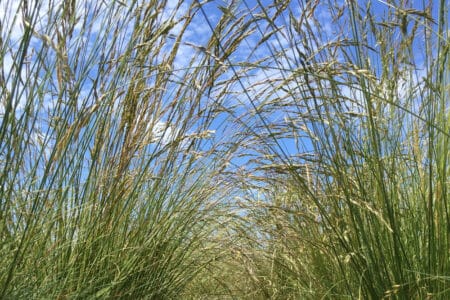
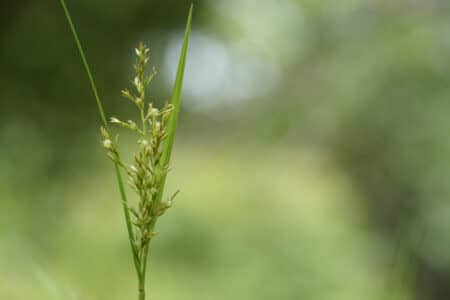
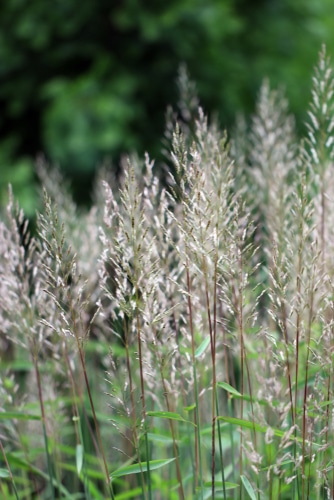
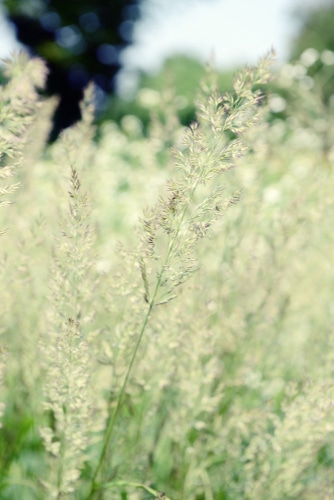
Frost grass has a bamboo-like appearance. During the growing season, the leaf can acquire striking patterns with purple or burgundy overtones. The airy 3 to 4-inch wide, 8 to 12-inch long blooms rise 14 to 18 inches above the foliage. The panicles develop from mid to late summer, turning tan in color.
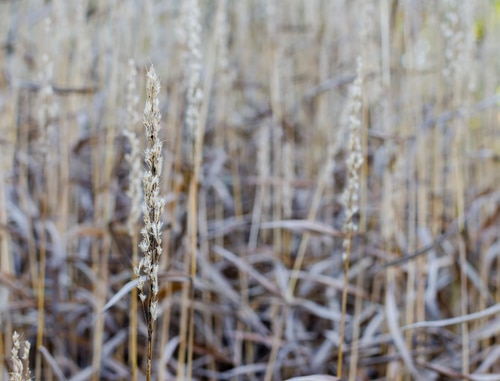
Summer is the best time to grow this grass. This grass can turn a deep crimson color in the fall when planted in full sun. Additionally, it provides winter interest when other plants are starting to wither.
Care and Maintenance
Cultivation
Frost grass thrives in moist environments. It does poorly in hot, dry settings but doesn’t do well when planted under too much shade. If it doesn’t receive enough sun, it might not acquire its red and burgundy colors and will appear dull.
Watering
Frost grass needs medium to wet moisture levels. Maintain constant humidity levels by regularly watering to the root depth, but be careful not to overwater.
Pruning
Prune in early spring since the plant remains attractive throughout the winter. Cut the foliage to the ground once it wilts after a frost.
Propagation
Direct-sow seeds from mid-spring through early summer. Ripe seed can be started in a cold frame in the fall season. This grass can be successfully divided in the spring or fall.
Landscape Uses
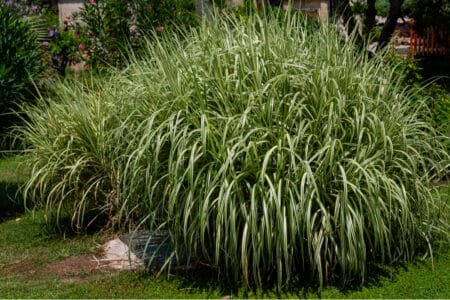
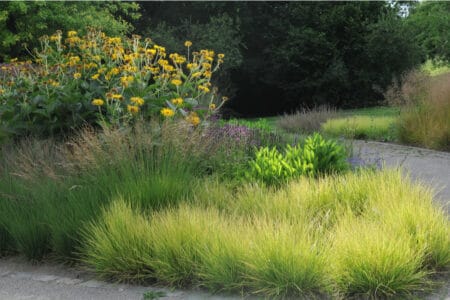
Silver spikegrass can be used as an accent plant, screen, or hedge. Its foliage is around 4 feet wide and 5 feet tall, making it a large but versatile plant. Flowers and foliage add visual appeal whether frost grass is grown individually or in groups. It is resilient, hardy, and looks terrific in perennial borders and small gardens.
Its flower spike and right-angled leaves give it an architectural look. It provides northern gardens with a more tropical look and feel.
It lends an Asian vibe to the landscape and looks especially good when mixed with evergreens. It also looks great mixed with other plants that prefer moist to wet conditions, such as rose mallow, ostrich fern, gooseneck loosestrife, and monarda.
Silver spikegrass should be planted away from heat-trapping surfaces such as sidewalks and walls. As long as it is cultivated in the proper location, it will thrive and grow for many years with only a spring clean-up as maintenance.
Companion Plants
Aster
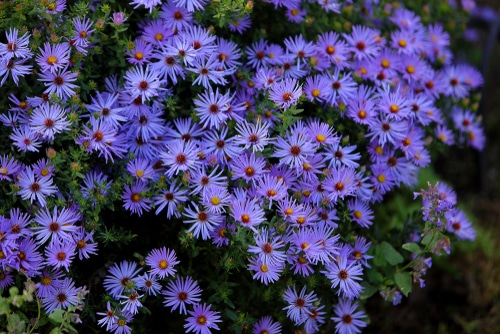
Asters come in at least 600 different varieties. Aster flowers (Aster spp.) add color to the fall landscape with little maintenance. Growing asters bloom best in late summer and early fall.
Asters can grow to be three to four feet tall or small and mounding, like the Alpine variety. Asters should be planted in areas that receive full to partial sun and have loamy, well-draining soil. Keep new plants moist and water every day during the blooming season.
Stonecrop
Stonecrop (Sedum spp.) is a sun-loving perennial that produces clusters of flat, bright flower heads. This flowering plant makes an excellent border because of its stunning lush green-gray foliage.
Because of its fleshy leaves and flat, nectar-rich flowerheads, the succulent stonecrop is a favorite of bees and other pollinators. Late-season butterflies and bees are particularly attracted to the blossoms.
Rose Mallow
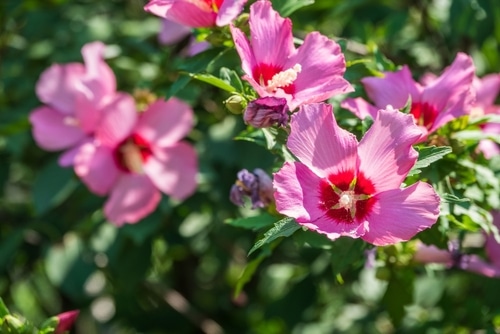
Rose mallow (Hibiscus lasiocarpos) is a native perennial that can withstand harsh winters. It boasts brightly-colored 4 to 5-inch flowers. This resilient plant will bloom until the first frost and then return in the spring.
Rose mallow prefers the heat and flourishes in warm southern climates, despite its ability to tolerate frigid conditions.