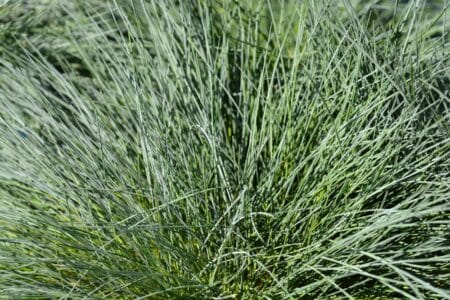
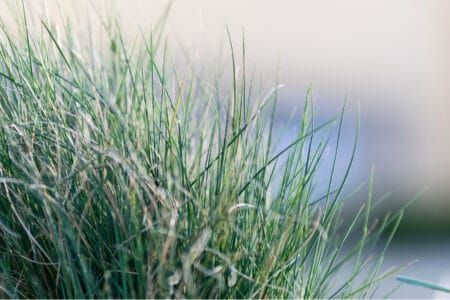
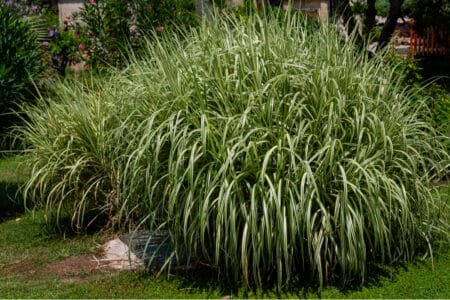
Idaho fescue is a tiny evergreen clumping grass with stiff, short, extremely thin leaves with a beautiful blue-green to silver-blue hue. From midsummer onwards, spikelets borne in tight clusters emerge on robust stalks far above the tuft leaves, producing massive awned fruits. Idaho fescue is an important fodder grass for both domestic and wild animals.
Are you intrigued? Continue reading to learn more about this fascinating plant!
General Information
Idaho fescue can be found from British Columbia to Alberta, and south to Central California and Colorado. It is most common in the Coast Ranges and Sierra foothills of California. It thrives in a wide range of habitats, from shaded forests to open plain grasslands.
This cool-season grass lives longer than other fescues, and its clumps are less likely to die out in the center. It is drought tolerant and an excellent erosion control plant because the root system is broad and thoroughly penetrates the soil.
Care and Maintenance
Festuca Idahoensis is a cool-season grass that grows best in full sun and on well-drained sand, loam, and clay soils. Once established, it won’t need much water.
There are few pests and diseases that plague this plant. It is deer-resistant and requires little maintenance overall. After it is done blooming, mow the plant to remove the flowers but not the leaves.

How to Use in Landscapes
Idaho fescue is drought tolerant, has long-lasting stands, and is well-suited to soil stabilization. This plant is appropriate for reclamation in places with 14 to 20 inches of annual precipitation due to its drought tolerance, broad root systems, and good seedling vigor. Beware that it struggles when competing with other aggressive grasses.
That being said, this plant is ideal for beds and borders, banks and slopes, and as a groundcover.
Companion Plants
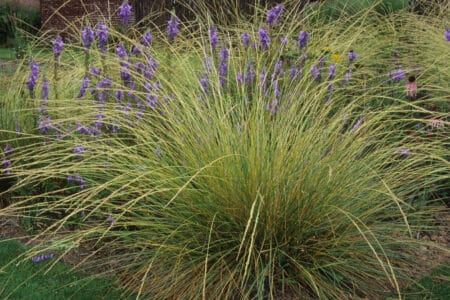
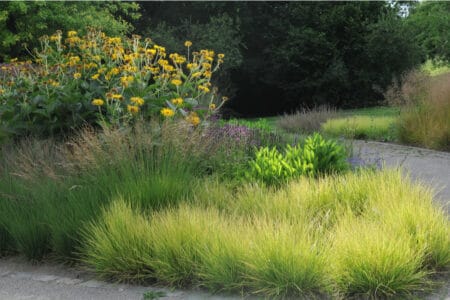
Idaho fescue is an excellent groundcover and pairs well with other grasses to create an attractive winter garden.
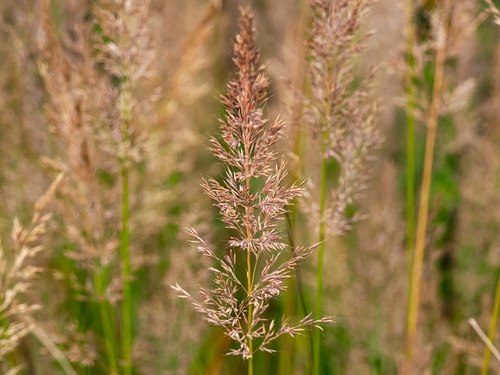
Korean Feather Reed Grass (Calamagrostis Brachytricha)
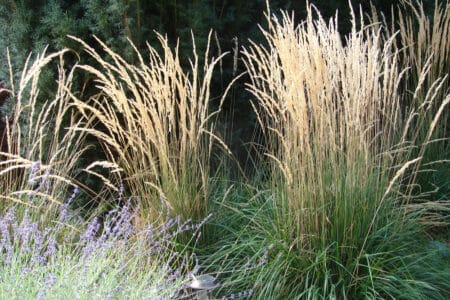
Korean feather reed grass is a warm-season ornamental grass with an upright, arching shape. It spreads gently in bunches of half-inch glossy green leaves. Pink-tinged plumes bloom over 4-foot-tall stalks late in the summer.
The plumes turn a pale tan as the seeds mature, but by early winter, they’ve decomposed. The grass remains open and fluffy when dried, making it suitable for both fresh and dry arrangements. The plant self-seeds in moist, dark woodlands, but it is manageable.
The grass grows easily in ordinary, medium to wet soils with moderate shade. It can survive full sun if properly hydrated. It also grows well in deep clay soils, which distinguishes it from other ornamental grasses.
In hot southern latitudes, it prefers midday shade and will blossom in light shade. To promote optimum growth in the spring, cut the grass clumps to the ground in late winter before the new shoots emerge.
Japanese Sedge (Carex Oshimensis ‘Evergold’)
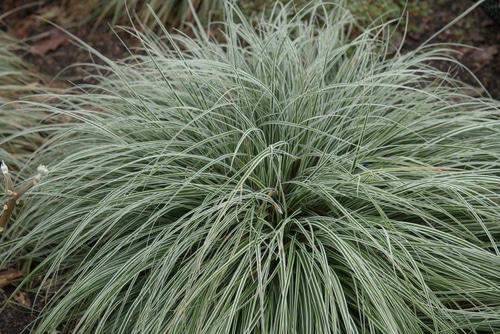
This is one of the most popular variegated sedges, with creamy yellow leaves and dark green margins. They drop softly to the ground, like a fountain. This sedge, unlike many others, likes dry to moderate soil moisture. It looks lovely as a spiller in containers, rock gardens, and landscapes.
This plant grows to a maximum height of about 1 foot and spreads to about 1.5 feet. This fine-textured ornamental grass grows in bunches that are low and mounded. Most of the plant’s growth occurs early in the spring, before temperatures rise above 75 degrees Fahrenheit. The plant’s slender, variegated leaves are about 16 inches long. They are extremely pointy, which explains their genus name, which is based on the Latin word for “cutting.”
Evergold is an evergreen variety that thrives in light to partial shade, rich soil, and low to moderate moisture. It suffers at high temperatures. In northern areas, it should be placed out of the path of winter winds and protected with snow or straw. Cut plants back to the ground if they appear ragged in early spring. The new leaves will soon fill in.
Tufted Hair Grass (Deschampsia Cespitosa)
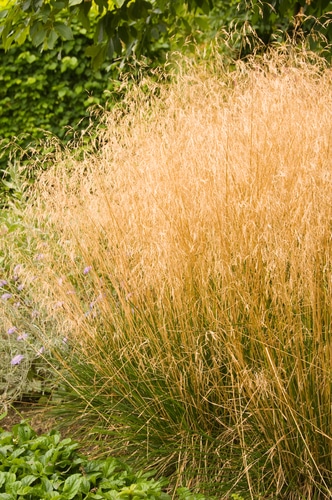
Tufted hair grass develops in a tufted mound of narrow leaf, as the name suggests. It is a cool-season natural grass that grows semi-evergreen in mild winters. In early July, it puts up tall stalks capped by a slew of airy, light-green inflorescences.
Deschampsia cespitosa is native to both North America and Eurasia, where it can be found in damp habitats such as bogs and forests. In southern regions, it may not bloom as profusely as in cooler climates. It prefers sunny to partially shaded habitats and can tolerate a wide range of soils and pH levels.
Tufted hair grass is generally pest- and disease-free, is rabbit- and deer-resistant, and can self-seed in ideal conditions.
With its tall stalks, the feathery flower plumes provide weeks of interest.
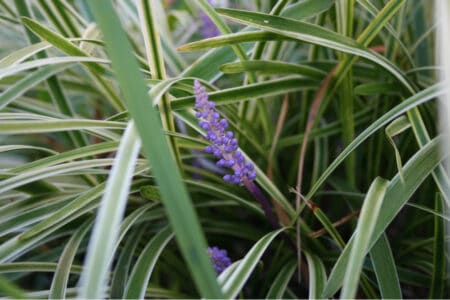
Blue Lilyturf (Liriope Muscari)
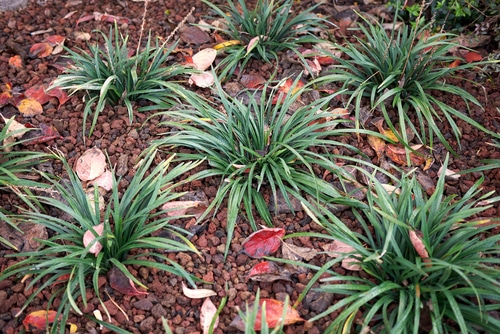
Lily turf is a clump-forming, broadleaf evergreen perennial in the Asparagaceae family. It may look like an ornamental grass, but it is not a true grass.
Lilyturf grows best in acidic to neutral, well-drained soils that receive full sun to light shade. It can grow in almost complete shade, although growth is slow and the leaves are elongated.
The plant will require constant watering in its first year, but once established, it will require very little extra irrigation.
Lilyturfs are light feeders and benefit from an early spring application of a slow-release or organic fertilizer. Tops should be chopped back each February before new growth develops to preserve an appealing appearance.
Lilyturf can be used as an edging plant, in rock gardens, in pots, in woodland settings, or as a groundcover. It is drought- and deer-resistant is fairly salt-tolerant, and can be used as a grass replacement for lawns with mild foot traffic.