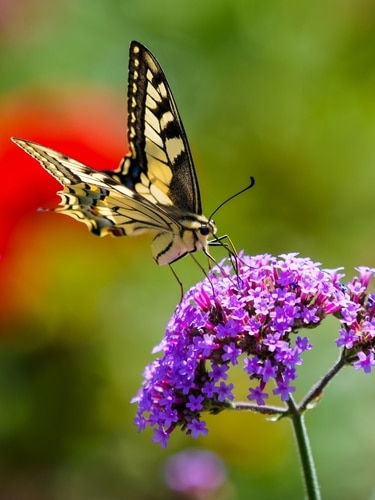
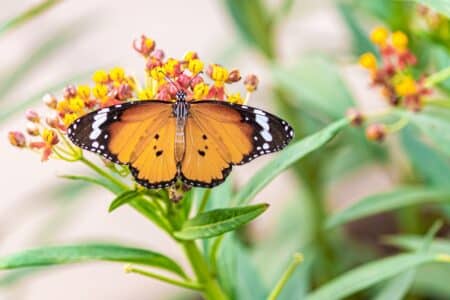
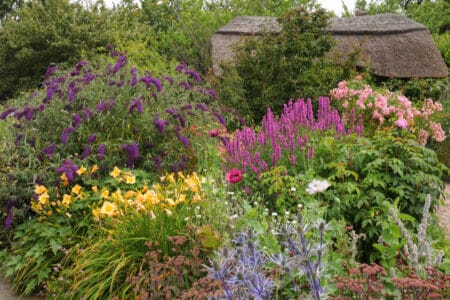
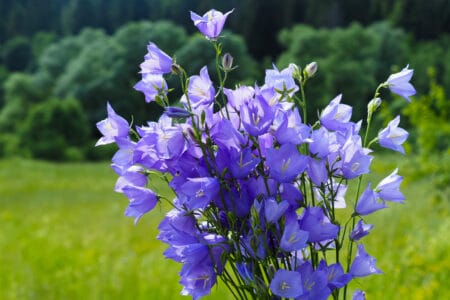
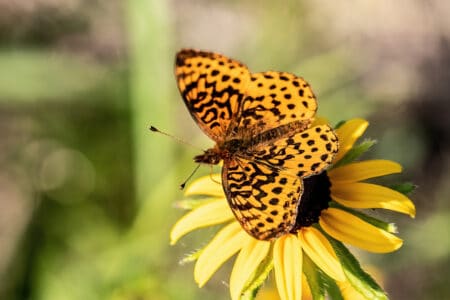
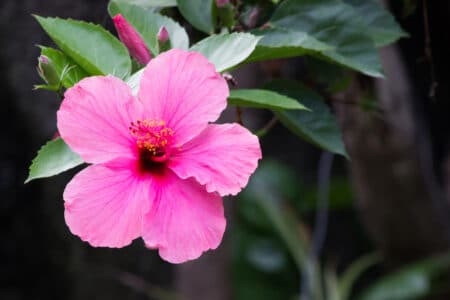
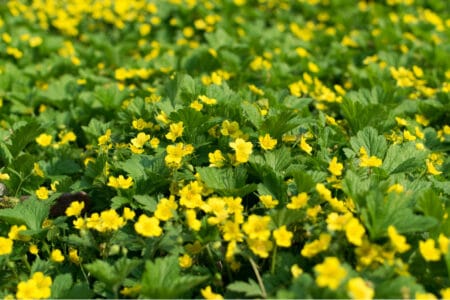
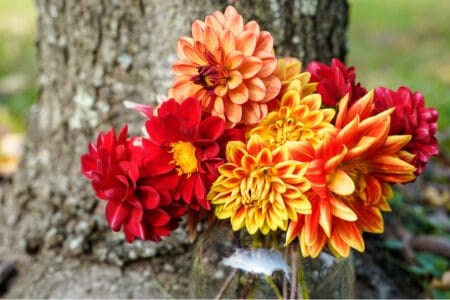
Butterflies are symbols of good fortune, joy, and financial gain. It’s possible to attract beautiful butterflies to your garden by simply having the right plants in your garden.
Here are 7 plants that you can include on and around your New Jersey landscape that will attract more butterflies!
1. Sweet Pepperbush
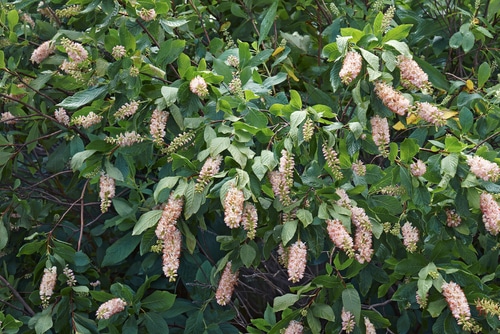
Sweet pepperbush often grows in mounds that can be 5 – 10 feet tall. It produces dense clusters of small white flowers in late summer, with each cluster ranging from 3 – 6 inches in length. The nectar from its flowers attracts hummingbirds, butterflies, bees, and other pollinating insects.
Sweet pepperbush creates its best blooms when planted in shaded areas, but it also grows well in direct sunlight. Plant it in medium-to-wet, acidic, sandy soil for optimal growth.
This shrub is often planted along landscape borders but looks great in any shady place on your landscape or in a flowerbed. It’s an ideal plant for seaside gardens thanks to its tolerance of salt water spray.
2. Black-Eyed Susan
The black-eyed Susan is a brilliantly colored plant. Its distinctive gold, orange, or bi-color flowers make it easily identifiable from near or far. This plant grows in clusters that can reach heights of 1 – 3 feet.
Black-eyed Susan’s are low-maintenance and attract bees, butterflies, and birds. They are also not very tasty to deer, so you won’t have to worry about them being eaten.
This plant grows best in bright, direct sunlight when planted in slightly moist, well-draining soil.
Black-eyed Susans actively bloom from early summer until the first freeze, which means several weeks of eye-catching color. This is why they’re an excellent choice for planting in mixed landscape borders, cutting gardens, and as accent plants in mass plantings.

3. Tulip Tree
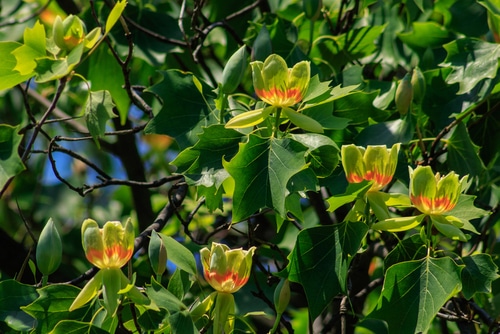
This is a deciduous tree that can grow up to 120 feet tall. The tulip tree gets its name from its greenish-yellow heartwood and its gorgeous tulip-shaped flowers. Their orange and yellow flowers bloom throughout the summer and measure about 2.5 inches in diameter.
The tulip tree grows best when planted in moist acidic, loamy, sandy, or clay soil that drains well. Although it prefers moist soil, this tree can survive in periods of drought. This tree also thrives in full sun.
The tulip tree makes an excellent shade tree in larger landscapes. Birds love to build their nests in this tree, and it attracts pollinators like butterflies and bees because of the nectar from its flowers.
4. Milkweed
Milkweed is a perennial herbaceous plant; it grows in clumps that can be 4 – 5 feet high and 2 – 3 feet wide. In mid-spring, milkweed flowers appear and blossom, ranging in color from pink to rose-purple. The flowers remain until early autumn.
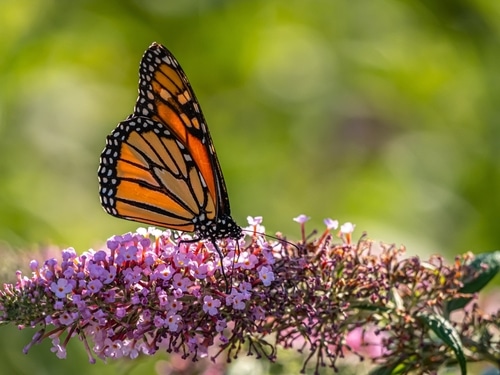
Milkweed is a key food source for caterpillars that become monarch butterflies. The nectar from its flowers attracts lots of other pollinating insects as well.
Plant milkweed in locations that get full sun to partial shade and in neutral to acidic soil. It grows best in damp environments but can also thrive in dry conditions if in moist, loamy, clay-like soil. Avoid tampering with its taproots once they’re fully established.
It’s highly recommended that you include swamp milkweed if you have a natural garden. It’s very low-maintenance and also looks great when planted along sunny landscaping borders or streams and ponds.
5. Mountain Mint
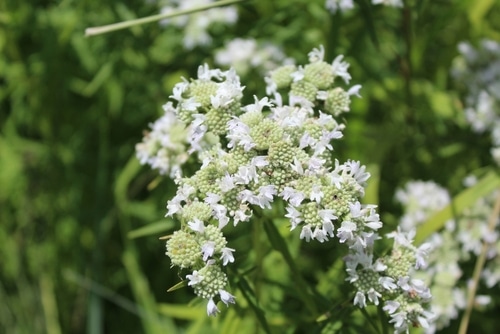
Mountain mint is a clump-forming fragrant perennial that normally grows 1 – 3 feet tall. When its dense, green leaves are crushed, they release a strong spearmint-like scent.
Its flowers bloom in the summer and have ornamentally appealing silver bracts that can grow clustered together.
Mountain mints are an excellent choice for luring butterflies due to the limitless quantity of nectar that they produce. Short-toothed, narrow-leaved, and Virginia mountain mints all attract small to medium-sized butterflies.
This plant is easy to grow in slightly damp, rich, well-drained soil. Place it in an area that gets full sun to partial shade for maximum flower production.
6. False Nettle
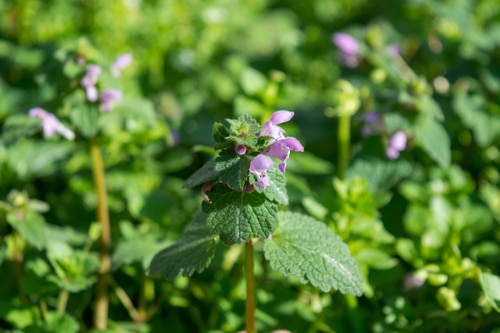
False nettles are herbaceous perennial plants that have green or greenish-white flowers. They can grow to be over 3 feet tall and produce small oval-shaped seeds that are covered in tiny hook-shaped hairs.
False nettles grow best when planted in well-drained, rich, slightly damp, and loamy soil and in full sun.
This plant attracts a variety of different butterfly species, including red admirals, question marks, and eastern comma butterflies.
Plant false nettle plants in any flower, woodland, or butterfly garden. They are also wonderful additions to landscaping borders and around ponds.
7. Purpletop
Purpletop is a natural ornamental bunch grass that grows during warm seasons. This grass creates a beautiful sea of reddish-purple when its seed heads bloom from late summer through the end of autumn.
Purpletop grass is a food source for different animals and insects, including some butterfly and moth larvae.
Purpletop thrives in wet and dry settings that get partial to full sun. It grows in practically any type of well-draining soil.
You can find purpletop grass growing in the wild near forests and in savannas or along roads and railways.