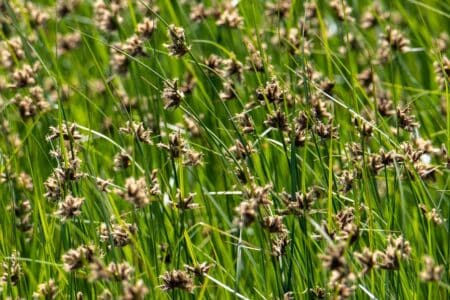
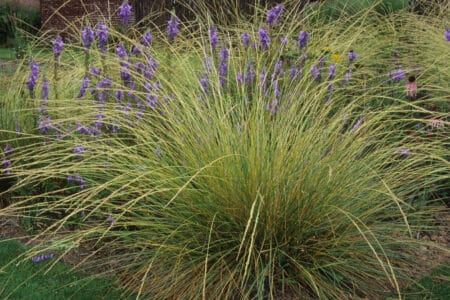
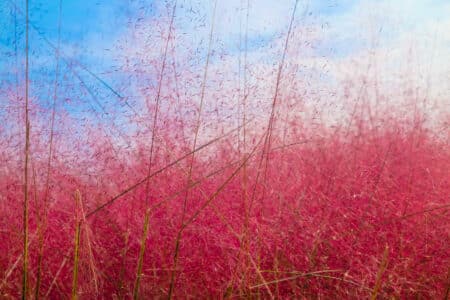
Snow white wood rush, also known as Luzula nivea, is a low-maintenance ground cover that will provide a year-round garden texture similar to perennial grass.
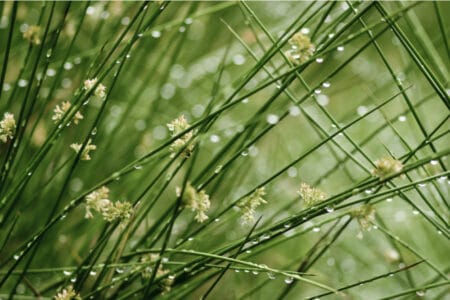
‘Niveum’ means snowy in Latin and alludes to the white blossoms. Luzula is derived from the Latin word lux, which means light. Snow rush refers to the way the leaves shine when they are damp from dew
Read on for more information about this fascinating plant.
General Information
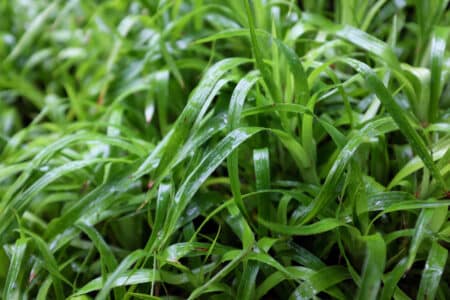
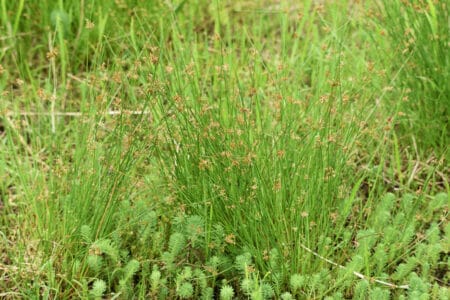
Luzula nivea is an evergreen perennial that grows slowly and spreads, producing dense clusters of boiling white flower spikes in summer’s early and middle stages. The plant has a loose cluster of long, thin, dark green leaves that are edged with tiny hairs and measure 12 inches in length. The flowers are placed in loose bunches, have a glossy appearance, and are white. They are grown on 24-inch stems.
It is a non-native garden rush that sometimes makes its way into the wild but does not survive there for long. It is naturally found throughout Western and Central Europe. This evergreen plant thrives in climates that are damp during the winter and dry during the summer. Luzula nivea is an ornamental rush that is perfect for decorative landscapes.

Care and Maintenance
Snowy wood rush prefers moderately moist, rich, well-drained humus soil. Adding compost before planting in light soil will help the soil retain moisture and improve its structure.
Although it prefers partial shade, it will grow in various light conditions, from full sun to shadow.
Water the plant frequently after planting and throughout the first season until it is established.
Clean up plants in the late winter before new foliage emerges in the spring by removing old and dead vegetation and old flower stalks. To clean up the plant, remove the spikes down to the root, but if you want seedlings, leave a few spikes on the plant. In general, the plant requires little to no maintenance.
Flowers are cut in early to mid-summer. They can be dried or placed in water. Seeds are best gathered in autumn, which can then be distributed or planted in pots outdoors in the fall or spring.
After forming well-established clumps, these herbaceous perennial cultivars should be split every three years to maintain vigor or for propagation. The simplest method is to carefully dig around the cluster, gently pull it apart into fist-sized pieces, then rapidly replant. The original clump’s center should be removed because it has lost its vitality and has turned woody.

How to Use it in Landscapes
Luzula nivea is not only lovely but also practical, as it can eventually serve as an effective groundcover in the shadier parts of the garden. Because this plant’s blooms and foliage have a neutral coloration, it is adaptable to many different situations. Garden designers frequently specify it as a beautiful little architectural grass.
Companion Plants
Luzula nivea is an excellent choice for growing as an efficient groundcover in shady settings, where it thrives. The following is a list of the best companion plants that will go well with this perennial to offer color to the shady spot in your garden.
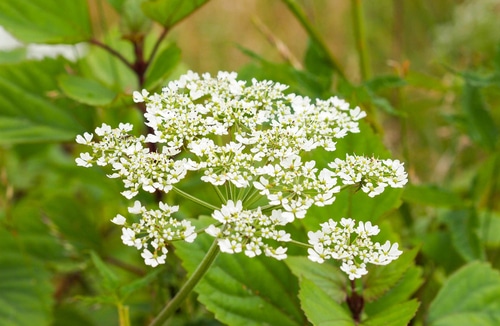
1. Cow Parsley (Anthriscus sylvestris)
Cow parsley is a short-lived perennial that can grow quite tall and features sprays of white flowers on stalks that originate from a central point. The leaves of cow parsley have a deeply split form, and they are arranged alternately. You will be rewarded with contented butterflies, bees, and other pollinating insects if you decorate your yard with these lovely and graceful plants.
Cow parsley thrives in conditions of either full sun or partial shade and on soils that drain well. This plant is not picky about the soil conditions; however, it cannot survive in either incredibly moist or arid soil.
It is gaining popularity as a decorative flower and is frequently used in church arrangements. This is because its sprays can be displayed admirably in vases, and the shape and the blossom can remain fresh for more than a week. It is not uncommon to find it along the sides of highways, in areas next to hedgerows, and on the outskirts of forests.
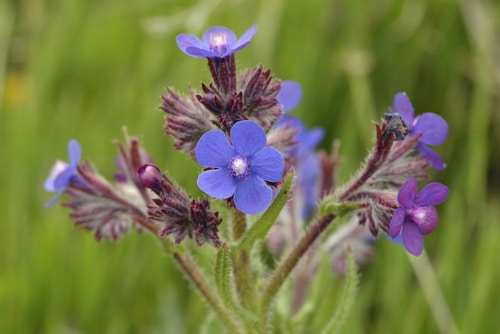
2. Anchusa azurea ‘Loddon Royalist’ (Italian Bugloss)
Anchusa azurea, also known as alkanet or Italian bugloss, is a coarse, hairy, spring-blooming, clump-forming, short-lived perennial member of the borage family and grows typically between three and five feet in height. Other popular names for this plant are Italian bugloss and alkanet. Late spring and early summer see the appearance of flowers ranging in color from deep blue to violet in loose terminal spikes called scorpioid cymes that rise above the leaves.
This plant does best in moist, rich, and fertile soil with good drainage. They appreciate the exposure to at least 6 hours of direct sunshine each day. In warmer climates, it would benefit from having some shade to minimize the afternoon heat and humidity.
When planted in a garden, ‘Loddon Royalist’ draws in pollinators like bees and butterflies, increasing the overall life there. They are also welcome in addition to naturalized areas, beds, borders, or other landscaped places.
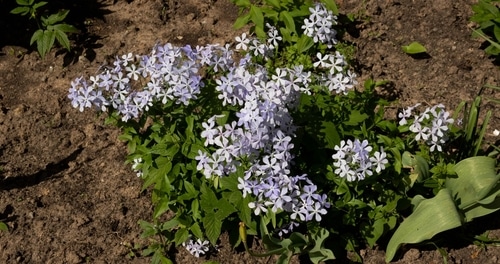
3. Phlox divaricata (Woodland Phlox)
Phlox divaricata, often known as woodland phlox, is a native wildflower known for its spreading nature and ability to develop mats of foliage with stems that generally reach 12 to 15 inches. The tips of the sticky, hairy stems bear loose clusters of faintly scented tubular blooms. The flowers, each of which has five little flat petals, range significantly in the shades of blue that they exhibit. There will be some petals that are a rosy lavender color, pale pink, violet-blue, and even a lighter blue; other petals will be white, violet, or violet-blue with a violet undertone.
If you reside in a warm environment, you should avoid growing woodland phlox in full sun and give it some partial shade to help it thrive. For the greatest possible outcomes, the soil should also have good drainage. Still, woodland flox is adaptive and can endure dry, clay soil, particularly once the plant has been established.
Most gardeners utilize it as either a flowering ground cover or an edging plant. It is well known that butterflies are drawn to the plant. Hummingbird gardens often include this flower because of its reputation as an attractive nectar source.
4. Aquilegia Vulgaris var. Stellata’ Nora Barlow’ (Columbine)
The ‘Nora Barlow’ columbine is a herbaceous perennial with an upright, spreading growth habit. Its relatively fine texture distinguishes it from other garden plants whose less delicate foliage is year-round bluish-green. From late spring to early summer, ‘Nora Barlow’ has delicate, nodding pink spheres with white borders at the ends of the stalks.
Both full sun and full shade are suitable for this plant. It thrives in moderate to evenly wet environments, although it cannot survive in standing water. It is not picky about pH or soil type and can tolerate some degree of city pollution.
‘Nora Barlow’ is a good choice for planting in outdoor pots and containers and is an excellent addition to beds and borders, rock gardens, cottage gardens, shade gardens, or naturalized areas. They also make lovely cut flowers, and their vase life is up to two weeks.