It can be challenging to find plants for your garden if there are areas in your garden that do not receive a lot of water. However, there are several drought-tolerant shrubs, trees, and plants that grow well and look fantastic in this climate.
I’ve chosen 7 of the best drought-tolerant plants that will flourish in your New Jersey garden.
1. Trumpet Creeper
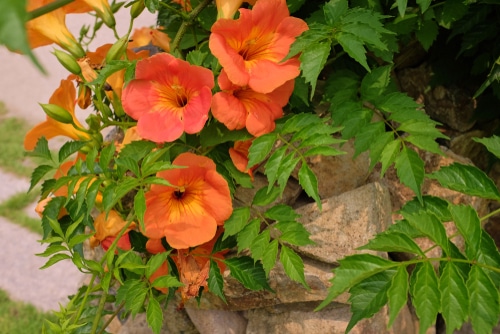
Trumpet creepers are resistant to heat, cold, and drought. They are popular for their eye-popping reddish-orange flowers, which bloom all summer long. The flowers look especially vibrant against its dark green foliage.
This vine grows well in full sun to partial shade and in wet but well-drained soil. They still manage to thrive even when the soil is dry.
This climbing plant makes an excellent addition to trellises, walls, or fences.
2. Spotted Bee Balm
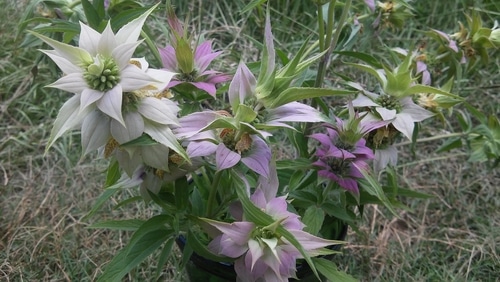
Spotted bee balm is a fragrant perennial plant that can grow as tall as 3 feet high. It grows yellow and purple spotted flowers.
This plant is native to grasslands and prairies, so it can withstand longer periods of drought than some other flowering plants. Spotted bee balm thrives in dry, slightly alkaline soil. Plant it in an area that receives direct sunlight for at least 6 hours each day.
Spotted bee balm attracts pollinators like bees, moths, and hummingbirds, which can help pollinate the other flowers in your garden.
3. Common Ninebark
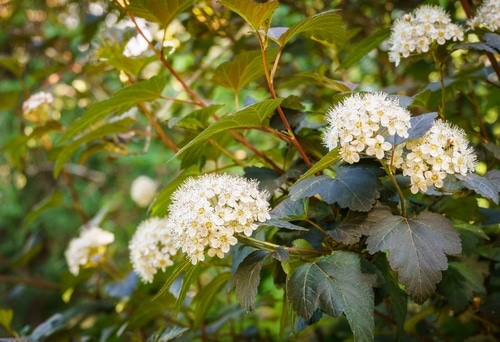
The arching branches of the common ninebark give this shrub a full and mound-like appearance, making it an ideal shrub choice year-round.
Common ninebark develops a dense cluster of flowers in the spring. These flowers transition to small clusters of reddish-pink capsules that ultimately turn brown before the colder winter months.
This shrub doesn’t require much trimming or feeding. Plant common ninebark where it can get full sun to partial shade – it grows more flowers in these lighting conditions. Also ensure that it’s planted in slightly acidic, well-draining soil.
Apply fresh mulch at the base of the plant every year to help the soil retain moisture and to inhibit weed growth.
Common ninebark shrubs create great hedges and help control erosion when planted properly.
4. Autumn Joy
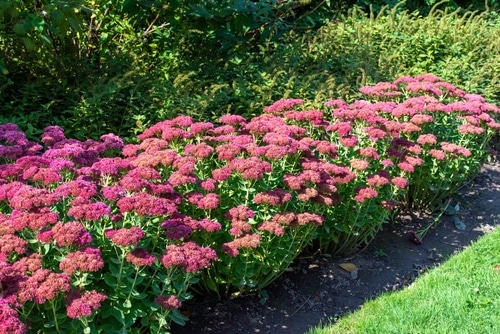
This plant has grayish-green leaves that are spherical and succulent-like. It also has star-shaped flowers that are deep red at first bloom but then transition to a rust color before withering away as winter approaches.
Their flowers produce nectar in late summer, which attracts bees and other flying insects that can help pollinate the other plants in your garden.
For optimal growth, plant autumn joy in full sunshine, which means a place where it will get at least 6 hours of direct sunlight on most days. It also grows well in sandy or gravelly soil since both provide excellent drainage.
Autumn joy plants can also be grown inside or in flowerpots.
5. Agastache ‘Firebird’
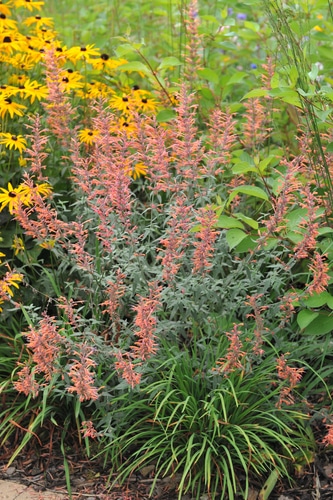
Firebird plants have bright orange tube-like flowers that grow alongside gray-green leaves. The plant’s stems can grow 2 – 3 feet tall, and its flowers bloom from June through September. Once established, these plants can withstand high temperatures and periods of drought.
Firebird plants thrive in neutral soil that is slightly moist and well-drained. It also grows best when planted in full sun, although it tolerates partial shade.
This plant is versatile; it’s an excellent choice for growing along landscape borders as well as in planters. Prune its flower stalks in the summer to encourage continuous blooming.
6. Rose Mallow
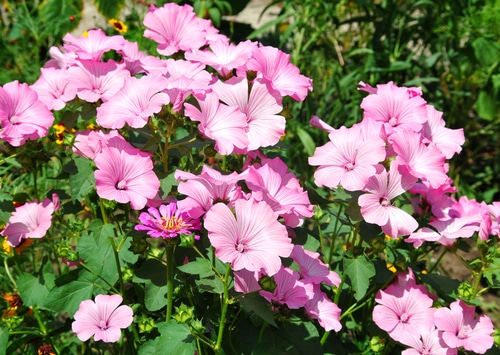
The rose mallow can reach heights of 3 – 7 feet and be 2 – 3 feet wide. Its thin, bell-shaped red and white flowers bloom in early summer and continue to bloom well into the fall.
Rose mallow is a perennial plant that thrives in full sun and moderately moist soil. It tolerates some shade, but placing it in full sun results in the best blooms. Placement in full sun also helps it ward off illness.
This plant tolerates high temperatures, high humidity, and drought. They make an excellent addition to flowerbeds, landscape borders, and around ponds or lakes.
7. Oriental Poppy
Oriental poppies are herbaceous perennial plants with huge, multi-colored flowers with distinctive black blotches at the base of each petal. The plant’s large, thistle-like leaves have a rich green hue and contribute to the plant’s overall appeal.
Oriental poppies grow best in neutral soil (soil with a pH level between 6.5 – 7.0). The soil should also be moderately moist and well-draining, and ideally, it should also be soil with a compost mix.
They need a lot of sunlight to flourish. While they’re in the budding or blooming stage, give them an inch of water once a week until their roots are well-established. Once the roots grow stronger and the plant matures, it will be able to withstand drought conditions.
Be careful not to overwater these plants while they are dormant.
When planted in small groups, their vivid flowers will attract lots of attention and give your borders a bright punch of color. You can also use them in dried flower arrangements.