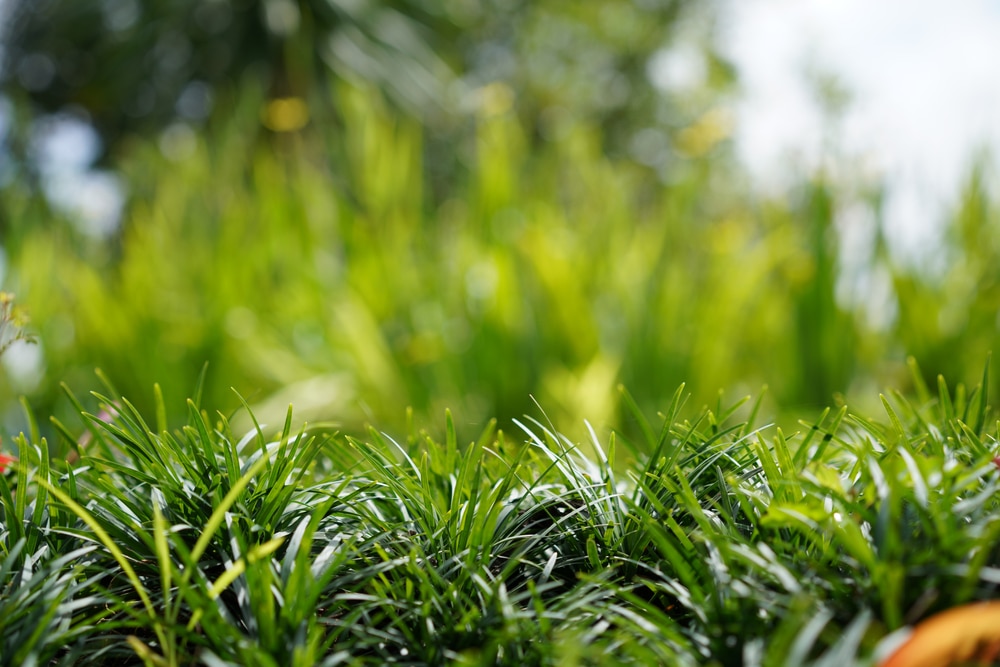
Groundcover is the landscaping term often used to describe a collection of low-lying, outward-spreading plants that cover garden beds. These plants are typically low-maintenance and can add color or texture to landscapes.
Here are 7 of the best groundcover plants that can spruce up your garden!
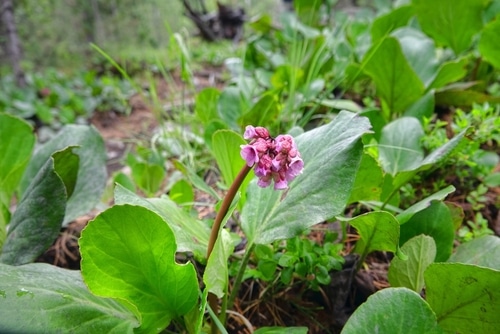
1. Heartleaf Bergenia
The heartleaf bergenia is a robust, perennial plant with glossy leaves and dainty flowers that bloom in the spring. In warmer areas, this groundcover’s foliage is generally evergreen but turns a deep bronze in the autumn and winter.
A moderately shady garden is the perfect place for these plants to grow. They also thrive in rich, loamy soil. Add at least a 3-inch layer of mulch around its base to help the soil retain its moisture.
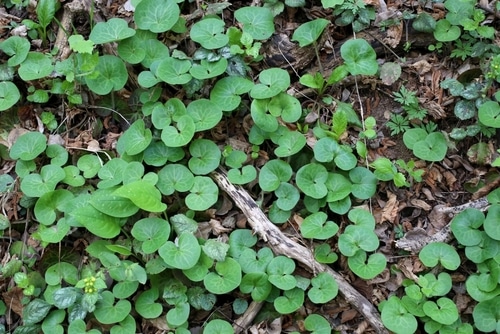
2. Wild Ginger
Wild ginger is a low-growing woody shrub that produces heart or kidney-shaped dark green leaves. In the spring, this plant grows lovely purplish-brown flowers.
Wild ginger plants are often grown in partial or complete shade. Add mulch to the base of your plants in the fall and winter to maintain the soil’s moisture levels.
Wild ginger is a fantastic option for shady spots in your garden, and it will blend well with other plants as an edge or border groundcover.
3. Wintercreeper
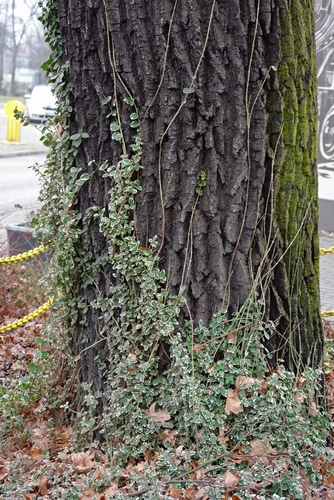
Wintercreeper is an evergreen perennial vine that is also often planted as a groundcover. Its characteristic green and gold foliage gives gardens a traditional yet vibrant appearance. It also has small off-white flowers that bloom in the spring.
Wintercreeper can tolerate full shade, but it grows best in full sun to partial shade. For optimal growth, plant it in medium moisture, well-drained soil. Once established, wintercreeper plants can withstand drought conditions; only add water when the top 3-inches of the soil are dry.
In addition to making a great groundcover plant, wintercreeper can also climb structures like walls, chimneys, and fences much like ivy plants.
4. Dwarf Lilyturf
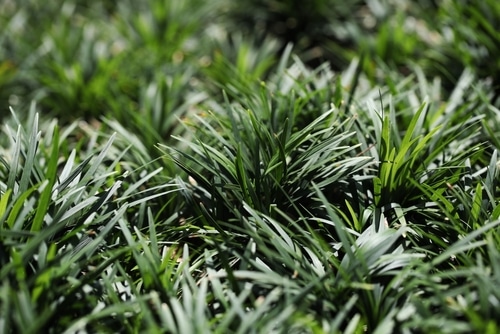
Dwarf lilyturf, or mondo grass, is an evergreen groundcover that can grow up to a foot tall. It resembles grass and creates small mounds when allowed to grow freely.
This grass tolerates full sun and complete shade; however, it grows best and is most vibrant when planted in partial shade.
A drip irrigation system is the best way to water this plant because of its diminutive size and low growth profile. Using this system also helps to alleviate overwatering, which can lead to root rot.
The ideal soil for dwarf lilyturf is slightly acidic; try to maintain the soil’s pH level at 5.5 – 7.
This plant can be mowed annually and can serve as a grass substitute for densely shaded areas. You can also plant dwarf lilyturf near water features, rocks, or slopes. It also grows well as an indoor potted plant.
5. Lungwort
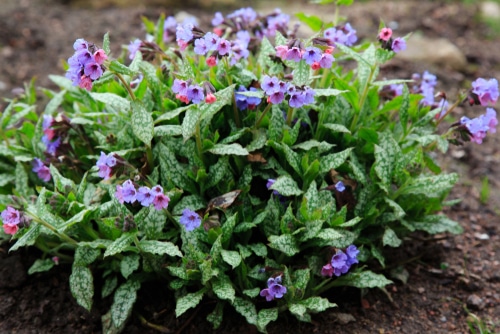
Lungwort is typically a low-growing plant that has fuzzy green leaves. It produces tall stalks (upward of 18 inches high) from which violet, blue, or pink funnel-shaped flowers bloom.
Lungwort plants like the shade they receive from the trees above, but they don’t like sharing the soil’s moisture with their tall neighbors. If you choose to plant lungwort near trees, be sure to water the soil around both often.
This groundcover makes a perfect addition to landscapes because it blooms when most other plants do. For this reason, lungwort is often included as a staple in most landscapes, particularly in shadier spots.
6. Japanese Spurge
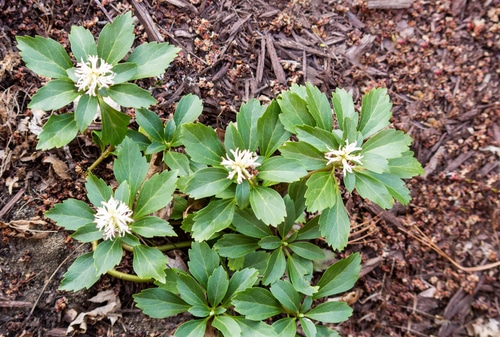
Japanese spurge is a resilient herbaceous evergreen perennial that’s commonly used as a groundcover. It grows a thick layer of lush, dark green foliage that looks a lot like carpet. This plant grows tiny white flowers in early spring.
Japanese spurge thrives in acidic soil mixed with compost. It also grows best when planted in moderate to full shade. Ensure that it receives a suitable amount of water until its roots are established.
This plant makes the perfect groundcover because its dense mat of leaves discourages weed growth. Allow its runners to fill in gaps in your garden as they grow. However, if you want to localize its growth, either dig up the runners each year or block them in with bamboo barriers.
7. Periwinkle
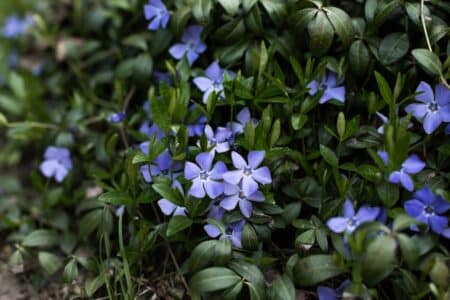
Periwinkle is a low-spreading groundcover that can grow 3 – 6 inches high, and each of its runners can grow over a foot long. Periwinkle vines commonly produce blue, purple, or white flowers that bloom in the spring.
This hardy plant can survive in extreme heat and full shade but for optimal growth, plant it in full or partial sunshine and moist, organic soil. If starting periwinkle from seed form, plant seeds 12 – 18 inches apart for groundcover in smaller areas and up to 8-inches apart in larger ones.
Periwinkle grows quickly and helps inhibit weed growth. It’s also drought tolerant.