If you are new to gardening, you’ve probably asked yourself what mulch is and its purpose.
You’ve seen it laid down in flower beds and trees. I’m sure you’ve seen beautiful examples of using it and some pretty hideous ones too. But besides aesthetics, what does it do?
Mulch is essential for the health of your lawn and garden. It helps soil retain moisture, controls weed development, and prevents soil erosion. Mulch is a fantastic product, and anyone who doesn’t utilize it in the garden or yard is missing out.
What Is the Purpose of Mulch?
It Looks Fantastic
Many gardeners use mulch solely for aesthetic purposes. Mulch may truly make a difference in the appearance of your lawn and the plants in your garden beds.
It Helps Retain Moisture
Mulch functions as a moisture barrier, preventing evaporation from heat and wind. Mulch helps keep moisture in the soil, requiring you to water less frequently. This encourages older plants to become more drought-resilient, and it can also help new shrubs and trees thrive.
It Prevents Weeds from Growing
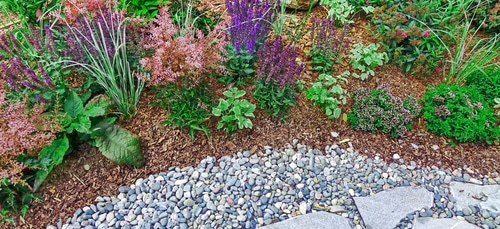
Weeds are unavoidable in any garden, but there will be considerably fewer if you mulch properly. With a layer of mulch covering your soil, weed seeds won’t receive the light they need to grow. Seeds that do germinate are less likely to establish themselves. Seeds that blow in on the wind won’t be able to reach the soil and take root.
As you can see, mulch is one of the most effective ways to control weeds. When you discover an area where the weeds are sprouting, you know it is time for a new layer of mulch.
It Reduces Temperature Fluctuations
Many of a plant’s feeder roots (which do the heavy lifting when it comes to absorbing nutrients) grow right below the soil surface.
The sun’s heat can bake exposed soil to the point where a crust prevents water from penetrating the surface. Winter’s low temperatures can freeze the ground well below the surface. A layer of mulch can protect feeder roots from damage or death caused by extreme temperatures.
It Prevents Runoffs and Erosions
Crusted soil is vulnerable to runoff and erosion. Once your garden has reached this state, water and wind will carry away topsoil, fertilizer, and other beneficial materials.
Soil that has been compacted by people or pets walking across your flowerbeds has the same issues as crusted soil. Heavy rainfall and hail can have the same effects.
On the other hand, healthy exposed soil can also be threatened by erosion if there are intense rainstorms or strong winds.
A layer of mulch can shield the soil in your garden from all of these harmful issues.

It Adds Nutrients
Organic matter should make up around 30% of healthy soil (by volume). Organic material is generally sparse in soils made up of clay and sand.
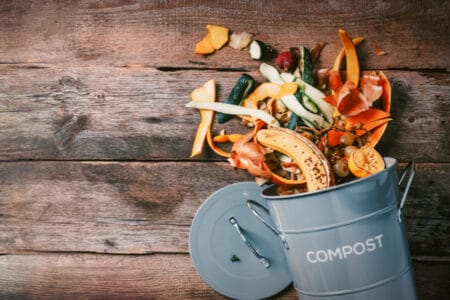
Compost, like mulch, is an excellent source of organic material for improving soil health. Natural mulch material degrades over time. It feeds the soil food chain, which feeds your plants in turn. Over time, organic matter enhances soil drainage.
This is a significant benefit of mulch that is not provided by non-natural or non-biodegradable mulches. This is why I only advocate mulch that is natural and biodegradable.
What Makes a Good Mulch?
The ideal mulch for you depends on your location, the region you live in, and the purpose of the mulch.
Most individuals will use organic mulches in their gardens because of the nutrient benefits described above.
When utilizing organic mulch, smaller items degrade faster and contribute nutrients to the soil. Shredded leaves and finely crushed bark will protect your soil during the growing season. By the time the season is over and it’s time to amend with compost, most of those small mulch particles have broken down into a soil-like mixture. As a result, you can add compost to the bed without removing the mulch layer.
Larger hardwood mulch is ideal for walking routes. The idea is to keep erosion and weed invasion at bay. Hardwood takes longer to decompose than softer woods like pine, and larger pieces require less frequent replacement.
Types of Mulch
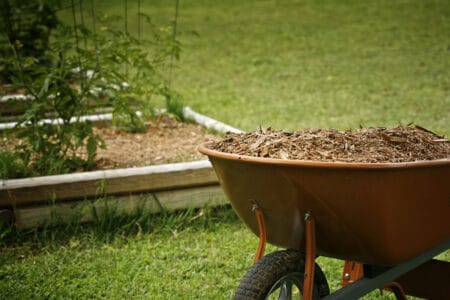
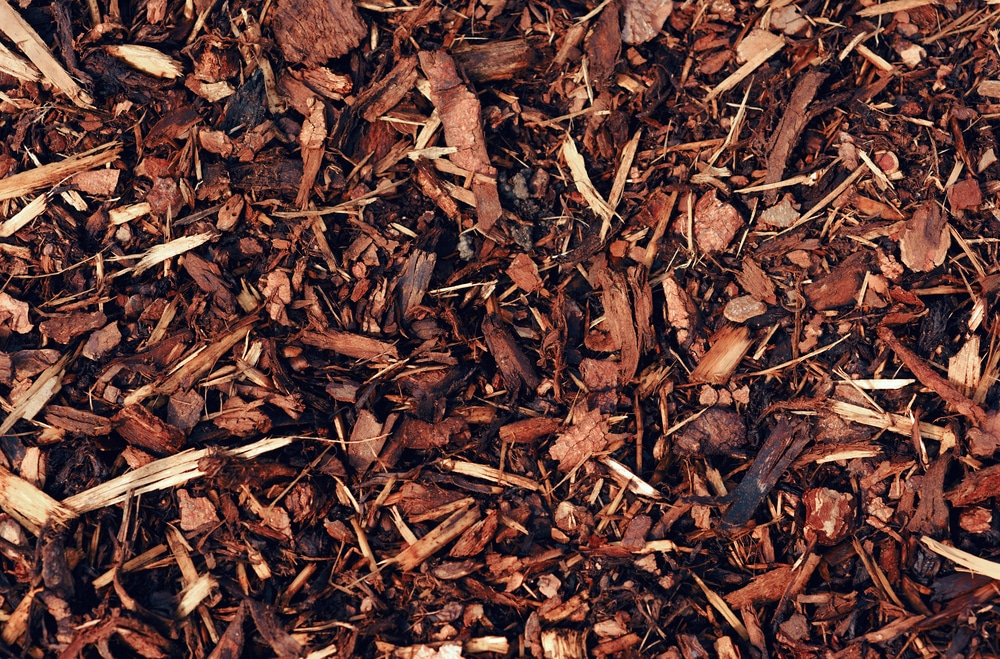
Organic Mulch
One of the most important advantages of utilizing organic mulch in your garden is that it adds nutrients to the soil. But it also helps the soil to retain moisture. If you’ve ever kept mulch on top of your garden, you’ve probably observed that water evaporates more slowly.
At the same time, organic mulch can also act as a natural drainage system. If there is heavy rainfall, it can prevent the water from forming puddles. This way, it supports plants that require a dry soil environment.
If this is not enough to convince you, consider that organic mulch ensures plants get enough nutrients from the soil, prevents weeds from growing, regulates the soil’s pH level, and allows oxygen to freely circulate across the soil surface.
Synthetic Mulch
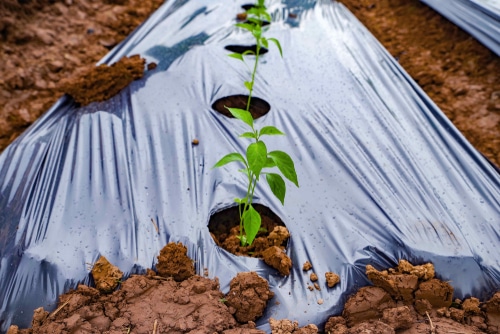
Synthetic mulch includes plastic, landscape fabric, stone, and gravel. Because synthetic mulch is a non-porous material, it can help control weeds and pests in your garden.
Before purchasing synthetic mulch, consider the types of plants you have in your garden. Make sure you choose an option that does not stunt their growth.
Plastic Mulch vs. Fabric Mulch
The two most prevalent varieties of synthetic mulch are plastic mulch and cloth mulch. Many people are curious about which type of mulch is superior.
Fabric mulch usually consists of recycled cotton, interwoven with polypropylene to give it strength and durability. Plastic mulch, on the other hand, is created from polyethylene or HDPE plastic and comes in a black hue. Many plants thrive when black-colored polymer plastics are utilized as mulch because these plastics can absorb heat.
Some people believe that using plastic damages the environment because it releases dangerous compounds into the soil when heated on a bright day. Polyethylene, however, does not degrade as quickly as other plastics when exposed to heat and UV rays. Only extensive exposure to sunshine or a biodegradation process in the soil will cause this material to decompose.
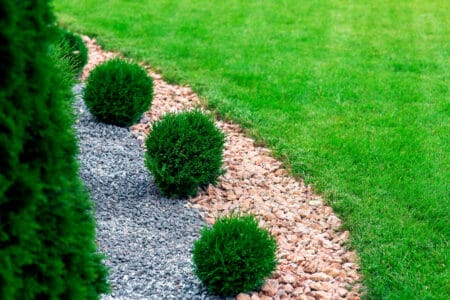
Gravel and Stone
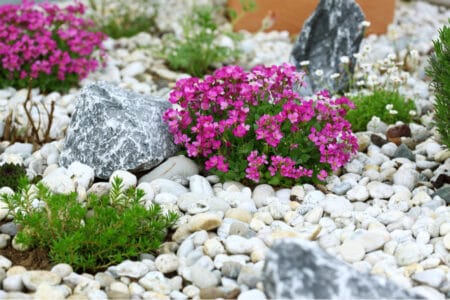
For locations that accumulate a lot of water, rocks and stone are ideal. Besides providing excellent drainage, gravel and stone mulch might also benefit plants that require a bit more heat.
Gravel and stone mulch can be heavy, and it’s not easy to remove once it’s been applied, so think twice before using it as mulch.
Aside from the practical reasons for usage, gravel and stone look great. They can also help keep the muck off your shoes.