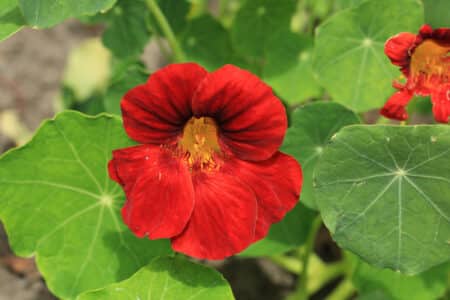
Nasturtiums are great additions to gardens, especially in vegetable patches. They trail into pathways, wind around plants, and have a long blooming period.
For many home gardeners, nasturtium’s best characteristics are the benefits they bring as companion plants. They provide groundcover, deter pests, attract beneficial insects, and aid in the development of other plants.
Let’s look at some plants that benefit from being planted near nasturtiums.
1. Cucurbits
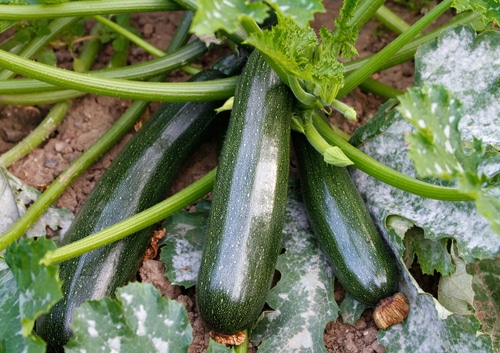
Growing nasturtiums alongside squash, zucchini, and other cucurbits is a beneficial combination that should not be overlooked. Pumpkins and other gourds are susceptible to vine borers and squash bugs, which are deterred by nasturtiums.
Aside from repelling insects like aphids, whiteflies, squash bugs, and cucumber beetles, nasturtium also help improve the flavor of the crops and boost their growth.
2. Carrot
Nasturtiums are a good companion plant for carrots since they repel the carrot root fly. Because many pests are naturally drawn to nasturtium, these flowers are used as trap crops or sacrificial crops that insects can attack instead of other food crops.
Furthermore, the flowering plant serves as live mulch, keeping the soil moist and cool for the growing carrot root.

3. Pepper
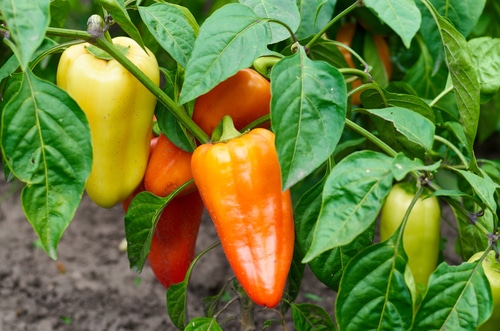
Pepper plants are a favorite of aphids and other insects. Growing nasturtiums alongside these crops in your garden will keep pests away, an excellent example of companion planting being an effective natural insecticide alternative. Furthermore, aphids love the beautiful spherical leaves of nasturtiums and prefer to consume the nasturtiums over the peppers.
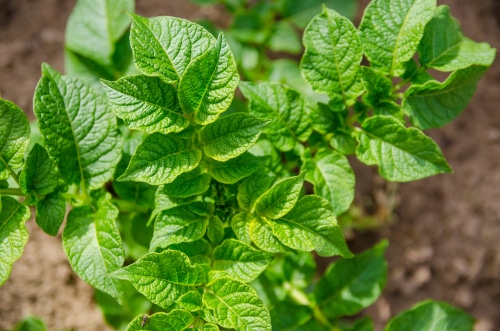
4. Potato
Nasturtiums deter Colorado potato beetles that infest potato crops. They also act as sacrificial plants in potato garden beds, luring aphids and potato insects away from the crops. In many potager gardens, nasturtiums are also used as potato companion plants for ornamental reasons.
A potager or kitchen garden is a French method that incorporates vegetables, herbs, and fruits with ornamentals and flowers.
5. Tomato
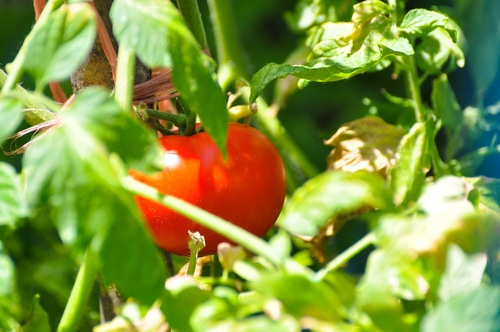
Nasturtiums bring aesthetic appeal and functional value to tomato patches. They act as an aphid trap crop, reducing potential pests on tomato plants. Growing nasturtium adjacent to tomatoes can attract hoverflies to help fight aphids in your garden.
Alternatively, you can remedy the aphid infestation directly on the nasturtium plants with a bit of dish detergent and water solution. Another suggestion is to remove the infested nasturtium plant, then replace it with a new one.
6. Sage
Herbs are considered excellent companion plants, thanks to their pest-deterring scents. However, sage is one aromatic plant that cannot repel pests. For this reason, growing nasturtiums close to it will help prevent whitefly infestations.
While sage can be paired with other pest-deterring herbs, choosing only the best ones for companion plants is crucial. For example, although wormwood helps deter whiteflies, this herb can harm sage plants.
7. Marigold
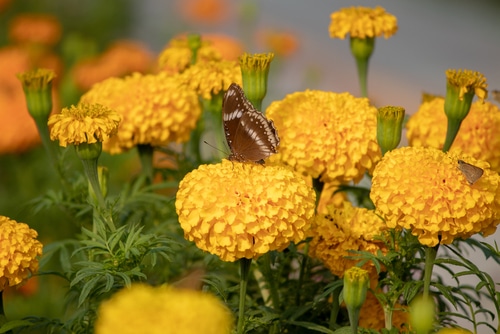
Marigolds and nasturtiums release chemical signals that repel white flies and attract beneficial insects like ladybugs. Marigolds produce a distinct scent that discourages hungry animals such as rabbits from nibbling on your plants.
They repel aphids, potato bugs, flea beetles, maize earworms, Japanese beetles, and squash bugs. Both plants repel a wide variety of pest insects. If you have a plant sensitive to pest infestation, place it between these two flowers.