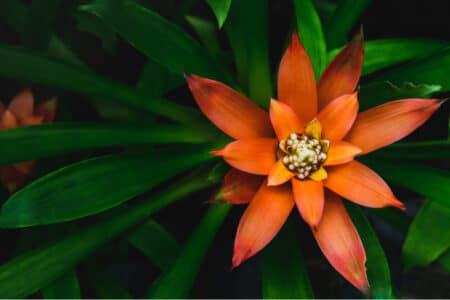
There are few annual plants easier to grow than marigolds. Not only do their gold and copper-colored blooms brighten gardens in the spring, but their flowers can also continue to bloom throughout the summer with proper care.
Let’s explore the marigold and the ways you can maximize their blooms.
Why You Should Consider Growing Marigolds
Marigolds make beautiful additions to all gardens. They add color to garden borders, planters, pots, and hanging baskets. They also make great companion plants in vegetable gardens.
Additional reasons to include marigolds in your garden include:
Pollinator Attractors
Bees and other pollinators are attracted to the marigold’s bright flowers when they bloom in early summer through early autumn.
When marigolds are planted next to other plants and vegetables, the beneficial insects will land on the nearby plants too. Pollination is important for plant reproduction and fruit production.

Repels Pests
It’s believed the marigold’s strong aroma wards off a variety of pests, such as cabbage moths and Mexican bean beetles. Planting marigolds next to other plants and vegetables is a way to limit the damaging pests in the garden.
Nematode Control
Marigold roots and stems release a chemical into the soil that suppresses root-knot nematodes, tiny soil-borne worms that feed on the roots of ornamental plants and vegetables. French tangerine marigolds are most effective against these destructive pests.
Mosquito Repellent
The aroma marigolds release into the air contains a chemical compound containing pyrethrum, which is an active component in many commercial insect repellents.
Beauty
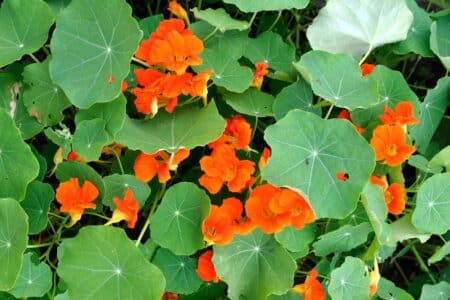
Marigolds come in different hues of mahogany, orange, yellow, and red. They beautify any landscape where they’re planted.
Marigolds often die after the first freeze, but dried marigolds add color and vibrancy to dried flower arrangements.
Low-Maintenance
Marigolds are one of the easiest plants to cultivate. They grow well in lots of different soil types and environmental conditions.
All they need is sufficient sunlight to thrive; they need very little assistance from humans.

Best Time to Plant
Most marigolds prefer warm, dry environments, but they grow well wherever temperatures are above 40 degrees Fahrenheit.
Marigolds are robust but are not resilient to cold. Don’t plant them outside until after temperatures are consistently above freezing.
When planting them inside, sow the seeds 6 – 8 weeks after the date of the last frost or once the soil is above 40 degrees Fahrenheit.
General Care
Marigolds can withstand extreme heat and drought. They won’t bloom properly if they are planted in shade or cool, wet environments. Marigolds are also prone to powdery mildew. Here are other care considerations when growing marigolds:

Water Needs
Give the soil a good soak before planting marigolds. It helps provide immediate moisture to newly-planted roots and helps the soil settle.
Established plants don’t need a lot of water. In fact, you shouldn’t water them more than once a week unless the weather is particularly dry and hot.
Be mindful to only water the soil; try not to get the flowers wet.
Amount of Sun
Marigolds grow best in sunny regions. Only when temperatures are extremely hot on a consistent basis and days are extremely humid or dry do marigolds start to exhibit indications of stress.
Marigolds can grow in partial sunlight, but they either won’t bloom or will produce smaller, less vibrant flowers.
Fertilization
Consider including an organic component in the soil, such as NPK 5-10-5 fertilizer, before they begin actively blooming. Follow the fertilizer’s instructions to avoid applying too much.

Other Maintenance
A marigold plant will grow into a full blossoming plant with regular pruning. The plant will continue to produce fresh flowers far into the autumn if spent blossoms are regularly removed.