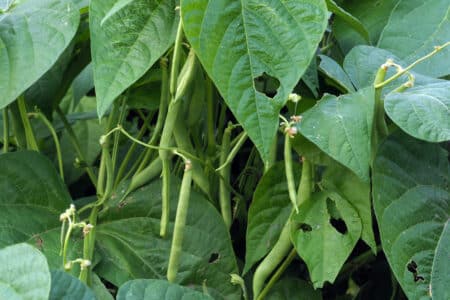
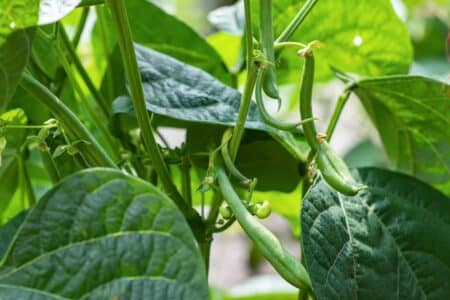
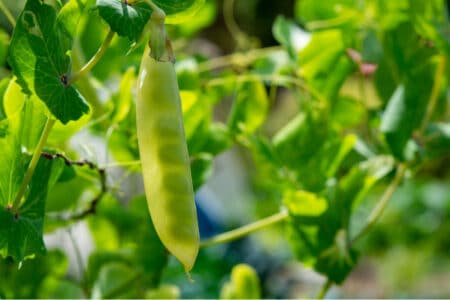
Green beans are categorized into two types, bush beans and pole beans. Bush beans have a compact growth, reaching a height of two feet. Pole beans grow on long vines that require a support structure, such as a trellis or an arch.
When choosing companion plants, remember the type of green bean you’re planting and its growth habits. Pole beans, for example, may use tall flowers like sunflowers as a pole or trellis, limiting the flower’s ability to flourish.
Let us explore this list of companion plants for green beans.
1. Corn
The indigenous peoples of the United States used the three sisters planting strategy, an excellent early form of companion planting. Two of the sisters are corn and beans. The corn stalks can serve as the pole to support the bean’s upright growth. This method helps maximize space so the gardener can put more plants in the garden.
Bush beans can tolerate the slight shade provided by corn plants. Since the roots of corn and bean plants are situated in different soil layers, the two plants will not compete for water and nutrients.

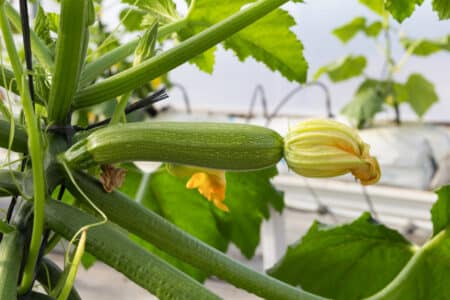
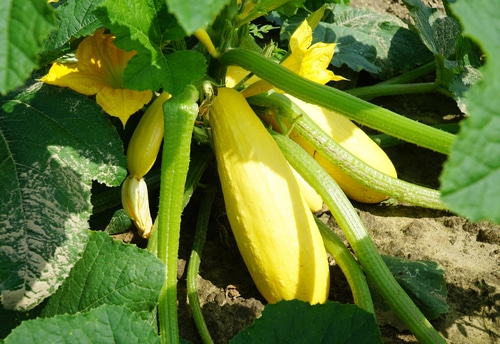
2. Squash
Squash is the third crop in the three sisters strategy. Its large leaves shade the ground, keeping the soil cool and moist and helping cool down the roots of its companion plants, especially during the hottest time of the day.
While the squash benefits from the bean’s nitrogen-fixing capability, it also suppresses weed growth around the base of its taller companion plants.
3. Radish
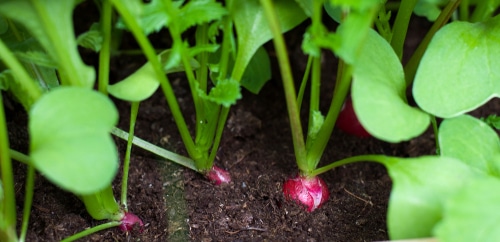
Radish is a crop that far too many gardeners overlook. Its flowers can attract beneficial insects and prevent pests from attacking bean crops. On the other hand, pole beans can be used to shade their neighbors from the extreme heat, preventing the radishes from bolting.
Radish grows better when paired with legumes, like green beans. Legumes fix nitrogen to the soil, which helps boost its companion plant’s growth.
4. Potato
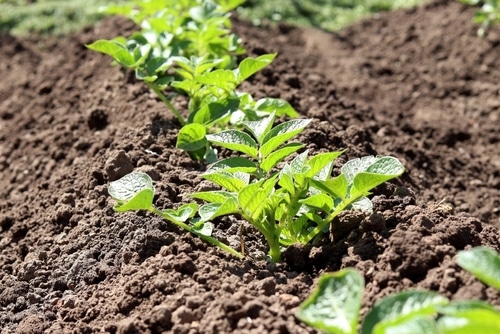
Potato plants deter Mexican bean beetles, while green beans deter Colorado potato bugs. Because of this mutually beneficial relationship, it makes sense to use potatoes and green beans as companion plants for each other.
Low-growing bush beans can also be used as ground cover between potato rows to combat weeds and keep the soil cool and moist.
5. Herbs
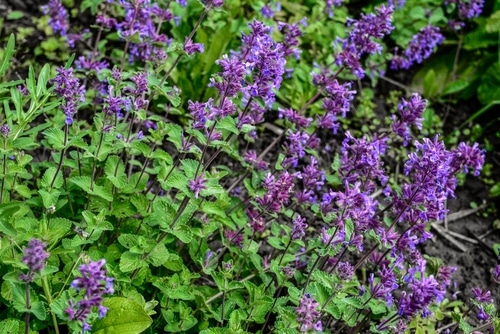
Catnip repels flea beetles, which consume a variety of vegetable garden plants aside from beans. You can grow catnip and rosemary as borders alongside your crops to aid their overall development.
Lots of herbs are great companion plants, thanks to their pest-repellent scents. Oregano is also an excellent partner for plants susceptible to sap-sucking insects such as aphids.
6. Marigold
Marigolds are ideal garden companion plants because they repel numerous pests. African and French marigolds produce chemicals that suppress nematodes, the tiny worms that attack plant roots. They also keep the Mexican bean beetle away from your green beans.
Marigolds are recommended as a companion for a wide range of edible plants. They are great garden plants in general because they also have medicinal uses.

7. Nasturtium
Nasturtiums are an excellent choice for adding color to your landscape. Their ability to keep bean beetles away while boosting their neighbor crop’s overall development makes them a great companion plant.
Another flower to consider is the summer savory, which provides the same benefits as nasturtium. Ideally, these flowers should be grown close to the base of the bean plant but not so close that they are shaded.