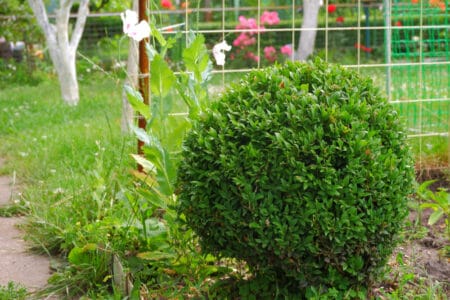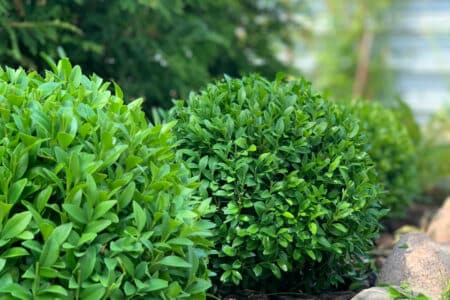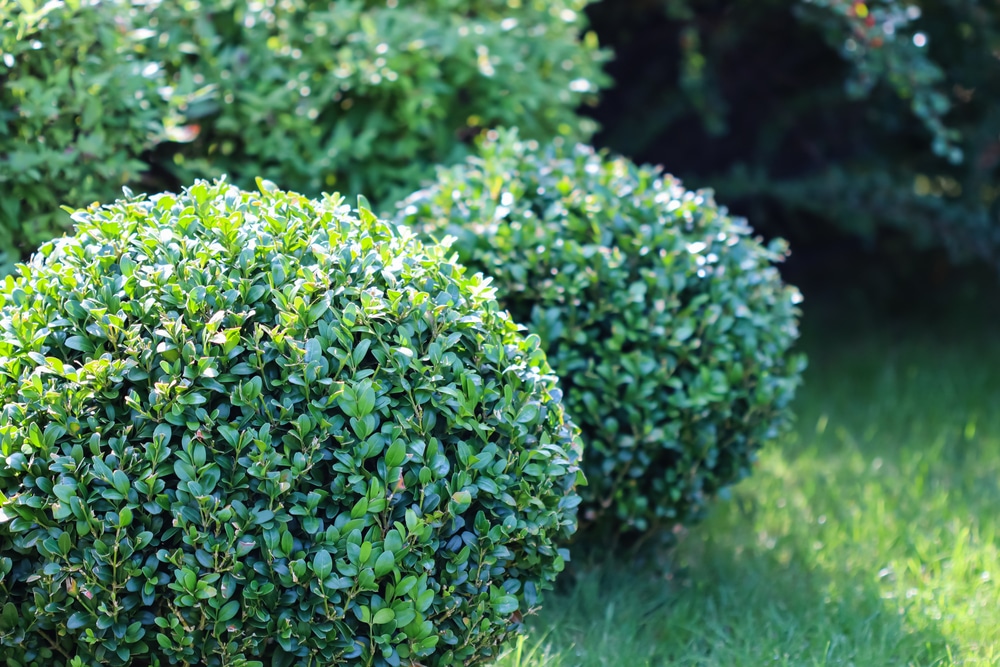
Evergreens are an important part of great garden designs. We’re certain you’ll agree if you choose a gorgeous boxwood like the winter gem boxwood (buxus microphylla japonica ‘Winter Gem’) for your garden. This wonderful plant is a hardworking specimen. It’s a little shrub with a big punch of flavor.
‘Winter Gem’ is a beautiful evergreen with tiny, gleaming leaves that stay on the plant all year. It thrives in both full sun and light shade. Its leaves, which have a bright green tint when newly emerged, darken to a shiny, rich, dark green as they age. The plant is the perfect backdrop for all kinds of flowering plants.
Boxwoods, in a way, are similar to the “neutral-colored apparel” that you use to put together an ensemble. They create the perfect setting for perennials, annuals, roses, and more. A modest, formal hedge of ‘Winter Gem’ boxwood can make a great difference in your garden.
In this essay, I’ll discuss the ‘Winter Gem’ boxwood and its growth rate in particular. Continue reading to learn more.

How Fast Do They Grow?
The ‘Winter Gem’ boxwood is a shrub with a rapid growth rate. The average yearly growth is between 4 and 6 inches.
Mature Size
This variety will be around 5 feet tall and 1 foot broad after about 10 years. It will take approximately 25 years for it to reach its full height and width of 5 feet.
Where Do They Grow Best?
The ‘Winter Gem’ boxwood is hardy in USDA Zone 4 to 8. These regions have moderate climates, with chilly winters and pleasant summers. The boxwood can withstand temperatures of up to minus 10 degrees Fahrenheit
The shrub will thrive in any soil, as long as it is not constantly saturated with water. It grows best in soil that is sandy or loamy, has a pH that is close to neutral, and contains a medium level of moisture.

How Much Sun Do They Need?
The ‘Winter Gem’ boxwood is adaptable when it comes to the amount of light it receives, since it can thrive in either full sun or moderate shade.
Tips to Optimize Growth Speed
The ‘Winter Gem’ boxwood is a fast-growing shrub. That means the use of high-quality fertilizer, constant and selective pruning, and enough watering are all factors that can influence the plant’s growth and overall health.
By ensuring that your boxwood is in good condition, you can prevent diseases that might impede its development. This will further support the shrub’s development.
Here are 5 pointers that will increase your boxwood’s growth rate:
1. Plant Appropriately
Make sure the root crown, that is the top of the roots where they attach to the stem, is visible at least an inch above ground level when planting the root ball. Boxwoods detest being buried in the ground. Because boxwoods are prone to root rot, leaving the root crown exposed will help it breathe more organically and stay healthy.
2. Water Appropriately
Make sure you supply the right amount of water. Your shrub will not grow quicker if you water it often or mist it with a spray bottle every day. Instead, the leaves will turn brown and, in the worst-case scenario, fall off.
You ‘Winter Gem’ boxwood is well cared for if your finger reaches the depth of your second knuckle and the soil still feels wet. It’s time to provide water if all you feel is dry soil.
3. Space the Plants Correctly
Boxwoods are very mindful of their environment. The pace at which they grow is influenced by how near they are to one other. To get their best growth potential, plant the smaller types 2 to 3 feet apart, while the bigger varieties should be planted 5 to 6 feet apart.
4. Cover with Mulch
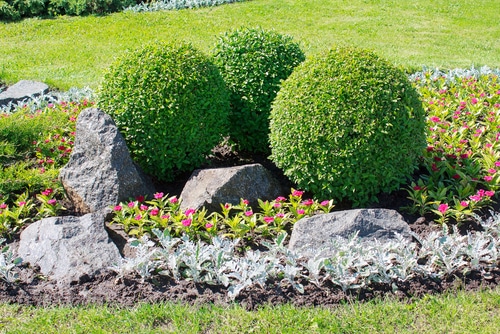
While boxwoods like to have their root crown exposed, you don’t want them to dry out. Cover the area around the shrubs with mulch or bark chips. This will help them retain moisture.
5. Prune for Growth
When you first start pruning your boxwoods, shape them into pyramids. This should be done even if you have not yet decided what topiary forms you want your shrubs to have. A pyramidal form enables the greatest light to reach the bushes, aiding the plant in the process of photosynthesis, which in turn helps the plant create food.
Never cut back the new leaves on your boxwood. Unless the leaves are ill or diseased, which requires urgent removal from the plant, you should wait until they have completely grown and hardened before cutting them.