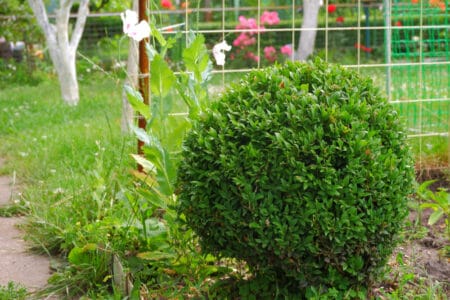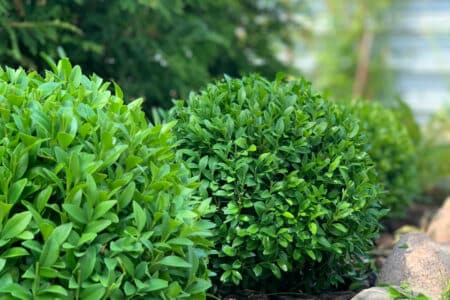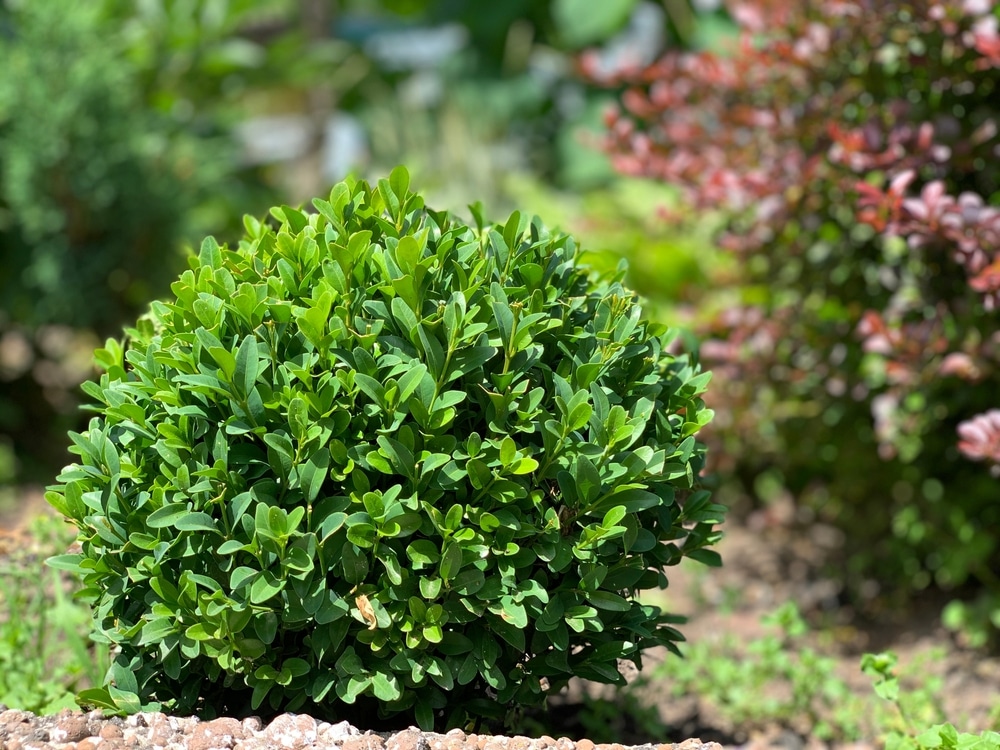
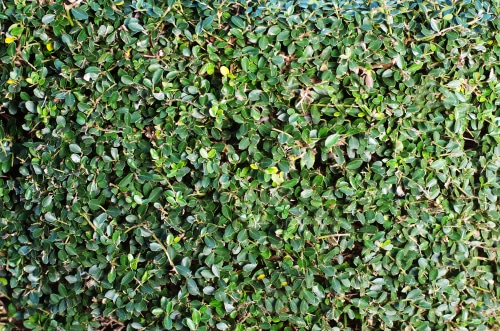
‘Nana’ boxwood or Korean boxwood is an evergreen shrub with dense, light-green foliage that grows slowly and compactly. The new growth starts bright green in the spring and becomes darker as the season progresses. It is robust, resilient, and simple to cultivate, giving companion plants structure, texture, and contrast in addition to color throughout the year.
How Fast Do They Grow
They are slow-growing plants that adapt nicely to any garden location. This shrub grows slowly, adding less than 1 to 3 inches to its height per year.
Mature Size
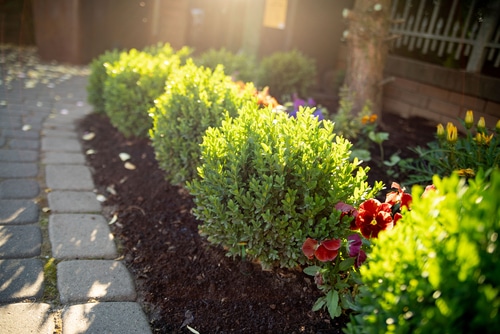
At maturity, the Nana boxwood will have reached a height of around 2 feet and a spread of between 4 and 6 feet.
Where Do They Grow Best?
This boxwood should be planted in zones 5 to 9 of the USDA Hardiness Zone Map. ‘Nana’ boxwood favors neutral rather than alkaline soil, and the ground must be well-drained. Adding a mulch layer one inch thick provides tremendous benefits. Do not plant ‘Nana’ boxwood in crowded areas.
Sunlight
This shrub thrives in locations with at least six hours of direct sunshine daily. Full sun is the perfect growing environment for it.
Tips to Optimize Growth Speed
Nana boxwood is a slow grower; however, it is possible to quicken its growth rate by implementing the following tips.
1. Plant Appropriately
It is advisable to plant ‘Nana’ boxwood in the spring so that it has the chance to mature before the onset of winter. Spring temperatures and rainfall make it easier for the shrub to adjust to its new surroundings, in contrast to the summer, when extreme heat and drought may make it more challenging.
2. Water Appropriately
The soil in which Nana Boxwood grows best should be wet but not consistently soggy. If the color of the plant’s leaves starts to turn yellow, it is advised that you reduce the amount of water you are giving it. Always be sure to provide it with an adequate amount of water, especially during dry summer days.
3. Space the Plants Correctly
When growing ‘Nana’ boxwood in a container, it is vital to use a large container to provide the plant’s roots with plenty of room to spread out. The ideal choice is to use clay pots because of their ventilation, which helps the roots breathe.
4. Prune when Necessary
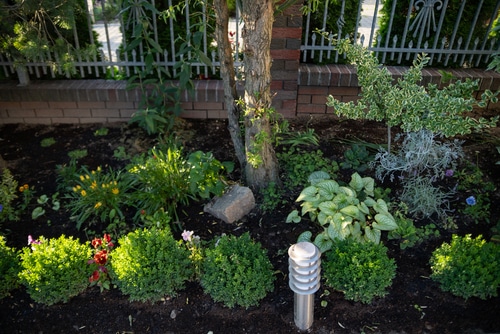
First, begin by removing any rotting or dead parts of the plant. To create a more robust and thick plant, do some mild pruning on the ‘Nana’ in the late winter or very early spring. Use hand pruners for a gentle touch. The increased air circulation resulting from pruning also assists in warding off fungal diseases.