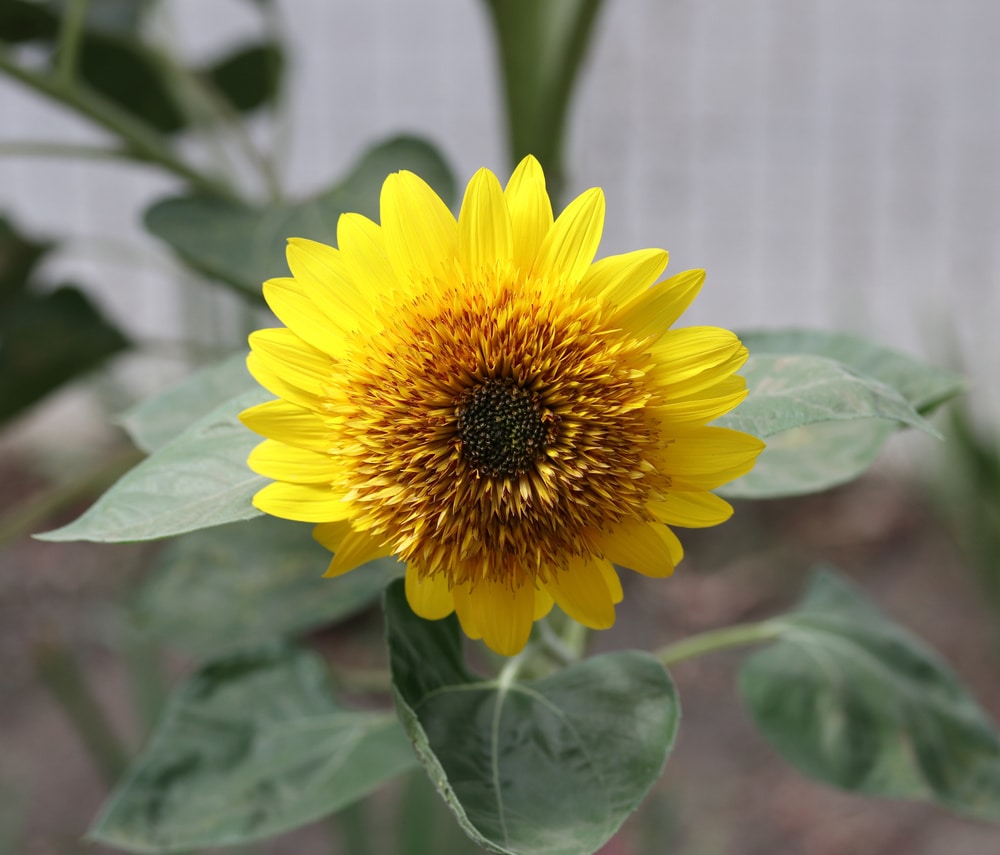
Sunflowers adore the sun. It almost goes without saying – the flower’s name implies as much. Sunlight is essential for sunflowers to thrive. How much sunshine do they need to develop to their full potential and grace your yard with their cheery appearance?
This post will discuss various solar exposures and how they could affect the sunflowers you grow in your garden. To discover more, keep reading!
What Is Full Sun?
Numerous plant species can withstand, and even flourish in, a whole day of sunshine. Plants that need direct sunlight should be grown far from trees, fences, or structures that cast shadows during the day.
Although full-sun plants don’t need uninterrupted all-day exposure, they typically require at least 6 hours of direct sunshine. If you know you cannot provide a plant with more than 6 hours of solar exposure, plant it in an area that receives direct sunlight in the afternoon. At this time of day, the sun is stronger than in the mornings.
Most vegetable plants, drought-tolerant perennials, and annuals, like most sunflowers, thrive in full-sun locations.

How Many Hours of Sun Does a Sunflower Need?
Sunflowers need a minimum of 6 hours of direct sunlight daily. They are native to Central America, where the weather is usually hot and sunny. If your yard includes a location that receives even more sunlight than that, it is perfect for sunflowers.
These plants can soak up as much as 8 hours of sunshine each day. If you are worried about them becoming sunburned, provide some mild mid-day shade.
If the location you choose for your sunflowers just barely reaches the 6-hour minimum of sunshine, make sure the plants are spaced appropriately. If they are crowded, the leaves will receive even less sunlight. As a result, the plant grows too rapidly and develops flimsy stems.

Can It Grow in Indirect Light?
Although sunflowers can thrive in partial shade, the results won’t be as nice as if they were. While they may grow more quickly in the absence of the needed sunlight, they will look scraggly. Also, the blossoms will develop more slowly without the necessary sunshine.
As a result, you may end up with sunflowers that have a lot of leaves but fewer blossoms. Some flower buds may not even open because of a lack of sunlight.
Can It Grow in Shade?
Sunflowers can grow in the shade, but they won’t do well. They are likely to develop too quickly and, as a result, they will have long, wiry stalks and few blossoms. The plants are too intent on reaching the light to grow properly, and they will focus on producing seeds rather than the showy flowers you probably bought them for.
Sunflowers have a very long tap root, and even though it is underground, it also suffers from a lack of sunshine. The soil surrounding the roots is likely to be damp because there is too little sunlight to dry it. Dampness promotes root rot and fungi.
Root rot will quickly spread to infect the entire root system. Once this happens, the plant will die. Fungi that spread in damp and dark locations lead to white mold and powdery mildew, among other illnesses, which will also kill off your plants.

Can Sunflower Get Too Much Sun?
While sunflowers thrive in direct sunlight, there is such a thing as too much of it. Though it is rare, you may have to provide some midday shade, especially during heat waves. The first warning signs of heat stress are brown or yellow patches on the stems and foliage. Flowers may prematurely turn brown.
If you suspect your sunflowers are getting sunburned, make sure you provide plenty of water, especially when there is hot weather and extremely dry soil. Try to provide some afternoon shade.
How to Measure How Much Sun an Area Is Getting
The easiest way to measure the amount of sunlight a location in your garden receives is using a garden light meter. However, if you want to save some money, all you need to do is keep an eye on your garden for a few days.
Start early in the morning immediately as the sun rises to count the hours of sunshine that reach your garden. When you begin your observation, record if the garden is in full sun, half shade, filtered or dappled sun, or complete shade. Note the results every hour until dusk.
Do this for a few days. Once you are done, count the hours of sunlight you have counted and calculate the average.