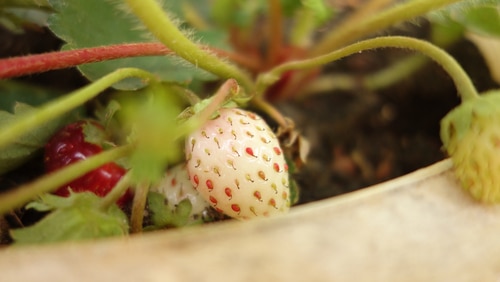
Pineberries range in color from white to purplish pink. They taste like strawberries but with a tangy undertone. Pineberry plants produce a lot of fruit and are simple to cultivate.
If you are a gardener and considering adding pineberries to your garden, here’s some basic information about this plant and its lifecycle that can help ensure that you produce a successful crop.
Germination
Unlike other garden plants, pineberry seed germination is more complex. Pineberry seeds need a period of dormancy and light to germinate. Condition or stratify seeds for 2 – 3 weeks at 10 – 30 degrees before planting.
Always try to germinate more seeds than you need since you can never be sure how many will begin to develop. You can also grow new plants by planting bare-root pineberries, seedlings, or runners.
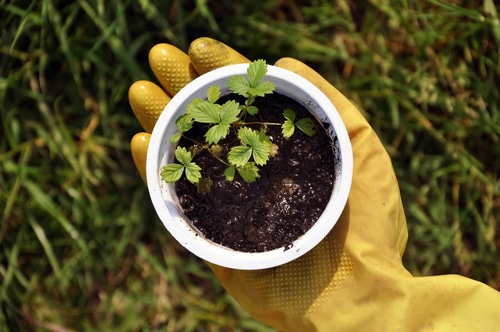
Growth
When its roots begin to develop, the plant itself will begin to grow robustly. The amount of time new pineberry plants spend in the vegetative stage will depend on the variety and growing environment. In most cases, the duration of the vegetative stage is close to 6 months.
The plant will go dormant in the colder temperatures of the winter months but will resume its normal growth cycle once the warmer temperatures of spring arrive. Pineberry plants may remain dormant for up to a year in warmer temperatures.
Pineberry plants generate what are known as runners, or daughter plants, as part of their vegetative development process.
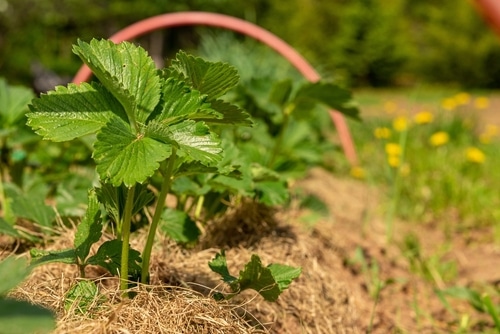
Flowering
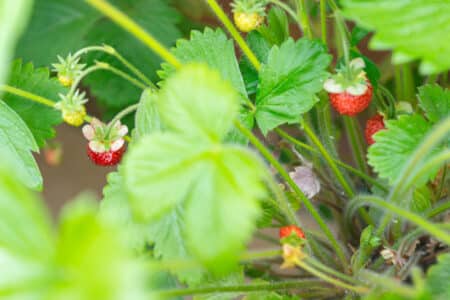
In most cases, the pineberry plant’s flowering process starts 2 – 4 weeks after it develops its new leaves. Pineberries produce yellow and white flowers with trifoliate leaves. The flowers sometimes produce stolons that grow around the ground.
Removing the plant’s blossoms during its first season will encourage it to focus all its energy on developing its roots and spreading its runners.
Lack of light, cold temperatures, and an inadequate water supply can all have a detrimental impact on the size and health of pineberry blossoms and the berries they become later.
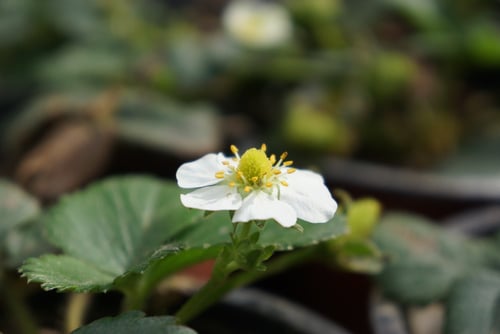
Pollination
Its flowers produce nectar at the base of the stamens and can pollinate themselves. However, stigmas, or the female part of the flower, are usually viable before its anthers release pollen. This increases the likelihood of cross-pollination with pollen from a neighboring plant.
Insects, wind, and humans are key to cross-pollination, so try to include plants in your garden that will attract them. The larger the variety of pollinators in your garden, the better.
Fruiting
Pineberries can be collected as early as the first year after the plants are planted, but some gardeners choose to wait until the second year to harvest them.