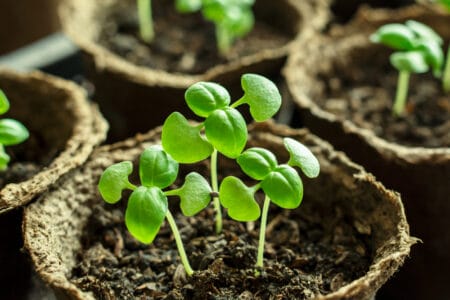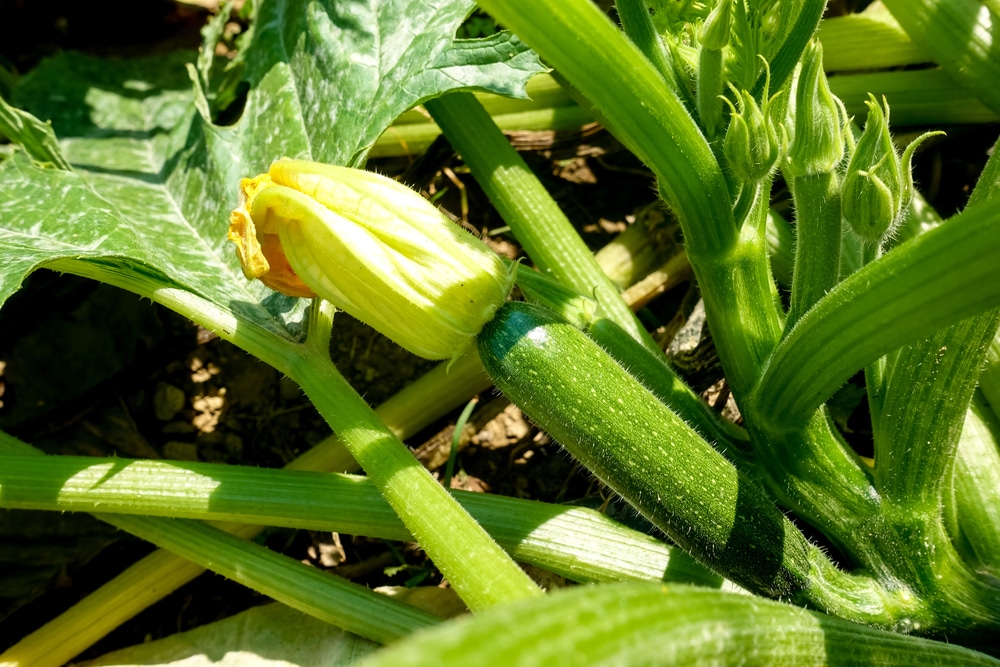
Zucchini practically grows itself, and, in optimal conditions, healthy plants yield a large harvest.
Even though the plant is low maintenance, it may still need assistance to produce optimal zucchini. Here are some tips for caring for your zucchini plant so that you can enjoy a robust harvest.
Why You Should Consider Growing Zucchini
There are several reasons why zucchini makes a great plant to grow. As mentioned earlier, the plant does not need a lot of care. It also grows quickly and usually produces several zucchinis each growing season.
Zucchini is used in several dishes and can be incorporated into some without changing the flavor. Many parents sneak zucchini into brownies and cakes without their children’s knowledge to add vital vitamins and minerals like folate, potassium, and vitamin A into their diets.
Zucchinis are also packed with vitamin C and lutein, making them great for healthy eyes and reducing bruising. They’re also good for maintaining colon health and may help reduce the risk of developing cancer because it offers some protein and fiber.
Studies suggest eating zucchini can help reduce BHP levels in men, which is important for a healthy prostate.
Best Time to Plant Zucchini
Zucchini grows best in warm temperatures.
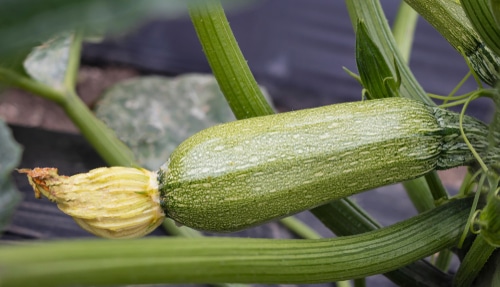
Don’t plant or transfer zucchini seedlings to outside gardens until soil temperatures are 65 – 70 degrees. Gardeners who live in warmer regions like the Southeast, Gulf Coast, and the Desert Southwest can enjoy two zucchini harvests: one in the spring and one in the fall.
In milder climates, plant zucchini in May to enjoy a summer harvest.
General Care
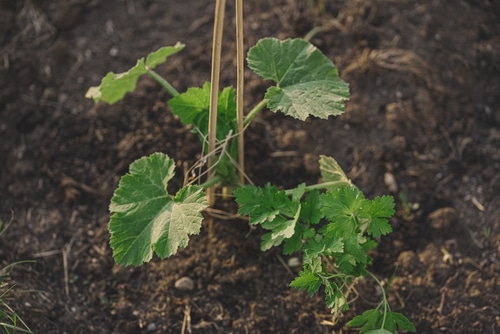
Ensuring zucchini plants have ideal growing conditions can mean a bumper crop later. You can also apply these general care tips when growing summer squash.
Water Needs
Zucchini plants need constant moisture; otherwise, they become subject to blossom end rot, which happens when a zucchini’s blooming ends start to decay. Add water when the top inch of the soil feels dry.
When watering, be careful to aim the stream of water away from the plant’s foliage since illness can spread quickly through its leaves. Pour the water directly into the soil or set up a soaker hose or drip water while planting.
Amount of Sun
Place growing zucchini plants in a location that receives at least 6 hours of direct sunshine each day. It can also grow in partial shade or even intense but indirect sunlight.
Find a location with a window that faces south to maximize the amount of sunlight your zucchini plants get.
Fertilization
Apply fertilizer when the leaves begin to fade or when the plant seems to wilt. Add a shovelful of compost or apply a low-nitrogen commercial fertilizer. Keep in mind that fertilizers that are rich in nitrogen can reduce crop yields.
Other Maintenance
In addition to the care tips listed above, here are other maintenance tips to keep in mind when caring for your zucchini plants.
Hilling
An elevated soil mound is referred to as a “hill” in gardening. Although you can grow zucchini in rows, hilling will help maximize their growth and crop production.
For instance, hills of soil warm up faster earlier in the season. This helps increase the likelihood of a successful harvest when planting seeds after the last freeze.
Hilling also promotes better pollination for zucchini plants and allows you to work compost into the soil.
Mulching
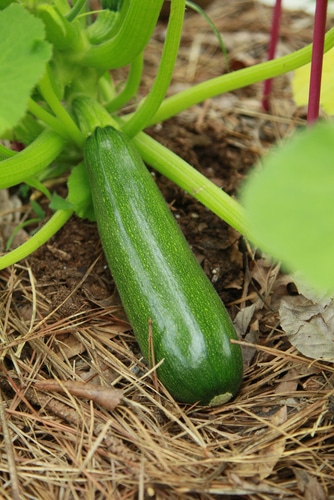
After seedlings have grown, mulch the areas around the plants. Mulching helps the soil retain moisture and regulates the ground’s temperature. This will help plants produce bigger zucchini sooner.
Hand Pollination
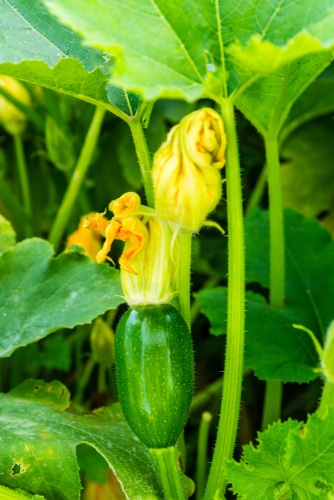
You can manually pollinate zucchini blooms in the absence of pollinating insects. To achieve this, you must be able to distinguish between male and female flowers.
Male flowers have a single stem, contain pollen, and do not bear fruit. Female flowers, on the other hand, have multiple branches and a thicker, zucchini-shaped base.
Gently brush the pollen from the male flower onto the female’s stigmas. If pollination is successful, you should witness zucchinis develop.
Pruning
Although zucchini squash is easy to cultivate, its big leaves can rapidly take over garden space and prevent block sun from getting to its fruits. Pruning zucchini can help alleviate crowding and overshading, but it is not necessary.
Pruning can also encourage the development of more zucchini.
Weeding
You must remove weeds that grow around your zucchini plants. This will help ensure your zucchini plants receive as many nutrients as possible. Be careful not to pull out the plants when pulling weeds early in the day.