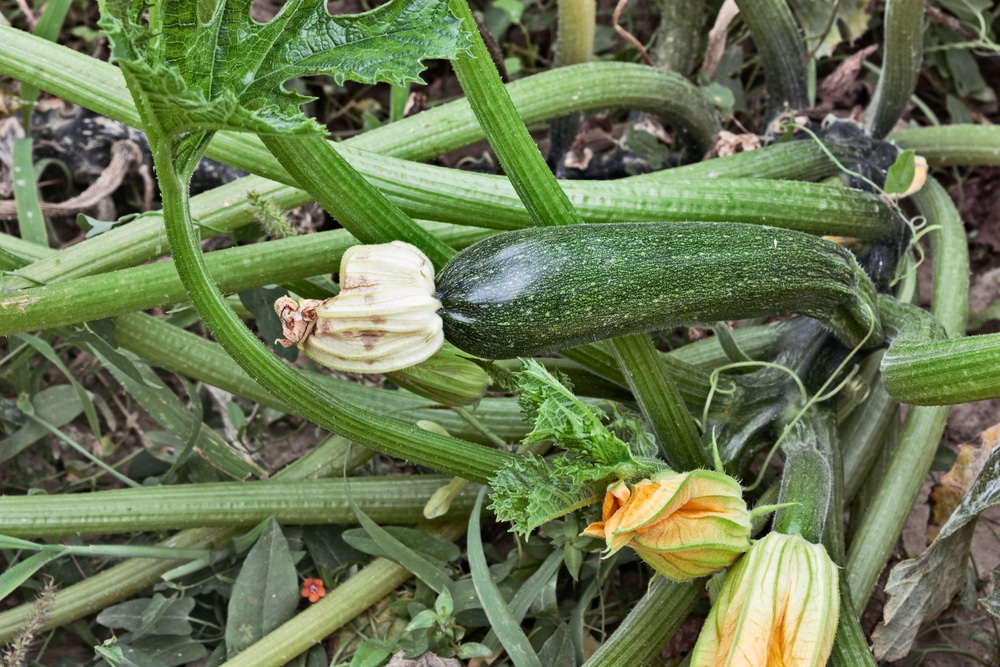
Zucchini (Cucurbita pepo) is a charming addition to practically any garden. According to many gardeners, zucchini almost grows itself, and the plants can produce a significant harvest. Due to its easy planting and prolific fruit production, zucchini is a favorite vegetable in many home gardens.
Let’s learn how to plant, grow, and care for this crop.
Why You Should Consider Growing It
Zucchini’s health benefits are often overlooked; it is high in iron, calcium, zinc, vitamin C, vitamin A, and minerals. Zucchini is a summer squash that can be harvested all summer long. These fast-growing plants are great for beginners and produce more than enough for even the largest families.
Zucchini’s broad leaves reduce weed growth and help retain moisture in the soil by shading the ground.
When To Plant It
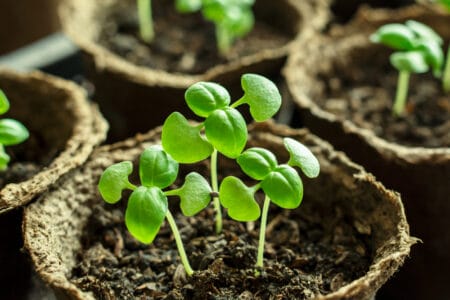
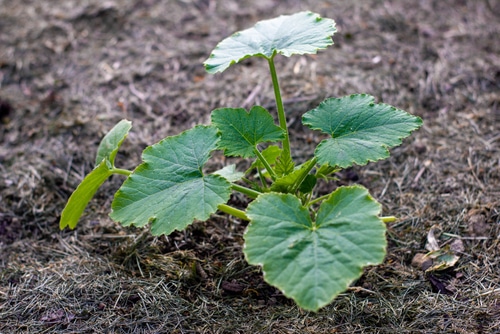
Direct-sow seeds in late spring or early summer when soil and air temperatures are at least 60ºF and the risk of frost has passed. If you wish to start seeds indoors, start them in peat pots 2 to 4 weeks before the last spring frost. Squash seedlings don’t always relocate well, so be gentle with the roots if you start them indoors.
General Care
Water Needs
Zucchinis require constant irrigation to keep the soil moist. Make sure your plants get at least 2 inches of water per week. Sometimes the leaves will wilt in the heat of the day, but this is not always a sign of dehydration. Wait until the sun sets and check the foliage to determine whether the plants need water. If the leaves don’t recover, water the roots thoroughly.
Amount of Sun
Zucchini plants require six to eight hours of direct sunlight per day. Although it can withstand some shade, it may not produce abundant fruit. Low sunlight might stunt and inhibit zucchini growth. However, ensure the growing fruits get shade from the leaves, as the sun can sometimes scorch them.
Fertilization
An all-purpose 10-10-10 fertilizer should do the job. Nitrogen supports healthy development, while potassium and phosphorus improve fruit yield. Feed the plants when the leaves turn pale or the stems appear weak. However, keep in mind that fertilizers high in nitrogen can reduce fruit production. Consider applying adequate amounts of compost or nitrogen-free commercial fertilizer for each plant.
Other Maintenance
Pruning zucchini plants reduces the risk of illnesses such as powdery mildew, which attacks most squash plants. Trim only the larger leaves at the base and leave the smaller leaves to grow. As with most plants, you should not remove more than 30% of the foliage. Save a few stem leaves, particularly the ones with leaf nodes near the last fruit you want to save.
How to Harvest
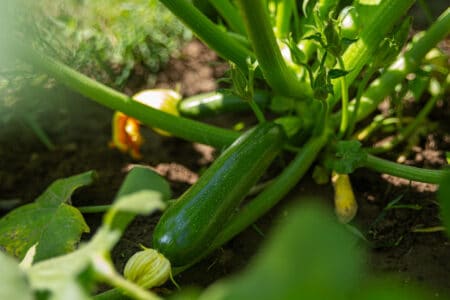
Regular harvesting keeps zucchini plants productive. You can begin picking zucchini as soon as you notice the fruit. Remove the fruit from the plant with a sharp knife to avoid injuring the vine. The younger fruits are softer and more flavorful.
Once plants start producing fruit, check them daily to ensure none have become too large. Oversize fruits are less flavorful and seedy. Sometimes the fruits are covered by foliage, so check under the leaves.
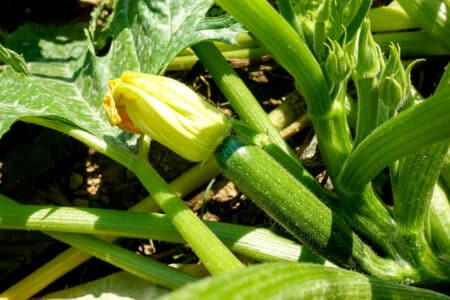
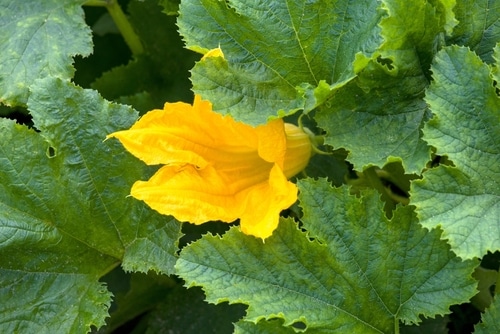
Zucchini blossoms are also edible. They taste like summer squash and have a smooth, delicate texture. After fertilization, the flower petals close, and a zucchini emerges at its base; because male flowers do not produce fruit, they can be harvested without sacrificing any potential fruit.