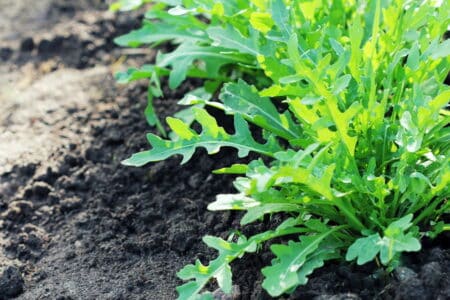
Arugula, also known as rocket, Italian cress, and rucola, originated in the Mediterranean. This leafy green is an excellent addition to salads, thanks to its tangy and mustard-like flavor.
Here are some things you should know if you want to cultivate this fast-growing and incredibly nutritious crop in your garden.
Why You Should Consider Growing It
Arugula is easy to grow with mild weather, sunshine, and regular watering. This green is used in several ways in restaurants and is very easy to grow from seed in your kitchen garden. Unlike salad greens with milder flavors, arugula’s distinct and spicy flavor adds zing to salads and other cold dishes. It can be combined with almost any lettuce to make a delightful salad.
Arugula has shallow roots that only stretch to six inches, which is why it is ideal for growing in raised beds, pots, and even containers. It has a unique leaf shape, and its leaves, seeds, and blossoms are all edible. Although its leaves can grow larger when allowed to fully mature, it is perfectly fine growing in small spaces as long as the leaves are routinely harvested.
Arugula is an excellent addition for anyone looking to prevent heart disease, lose weight, or reduce cancer risks. Furthermore, regular consumption has been shown to improve energy and complexion. It is a nutritious superfood with fiber, calcium, potassium, and vitamins A and C.

When To Plant It
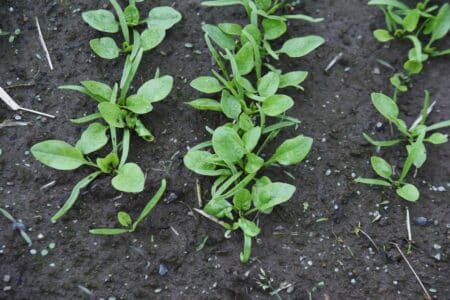
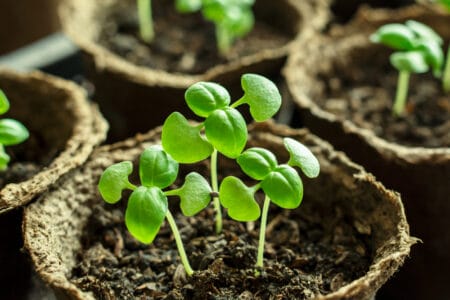
Arugula thrives in cool temperatures, so the best time to sow seeds is in early spring or late fall. Sow the seeds outside as soon as the soil can be worked, as they can sprout in the soil as cold as 40°F. Depending on soil temperature, the seeds may take a week or more to germinate.
Sow seeds in late summer or early fall for a fall or winter harvest. Sow new seeds every two to three weeks for a continuous yield.

General Care
Water Needs
Arugula needs consistent watering for tender growth. It needs at least 1 inch per week, depending on the variety, planting date, and seasonal changes. Frequent watering is needed due to the shallow roots. Water as soon as the top inch of soil feels dry, keeping the soil moist but not soaked.
Amount of Sun
Arugula grows best in full sun, at least six hours of direct sunlight daily. It also grows well in partial sun in warm climates, but it might not develop as well as the ones that receive adequate sunlight. Provide afternoon shade to prevent plants from wilting and bolting in hot weather.
Fertilization
Compost and fertilizer benefit arugula, like any herb or leafy green vegetable. If you plant your arugula in nitrogen-rich soil, it should not require any additional fertilization. Compost should be incorporated into poor soil to improve it before sowing seeds.

Other Maintenance
Arugula needs no pruning beyond the usual harvest. However, if there are damaged or diseased leaves, remove them as soon as possible to help prevent problems from worsening. Use your hands, scissors, or a serrated knife to cut the stems of the leaves about an inch from the crown or base. Pick a few leaves from each plant and leave the rest to grow for the next harvest.