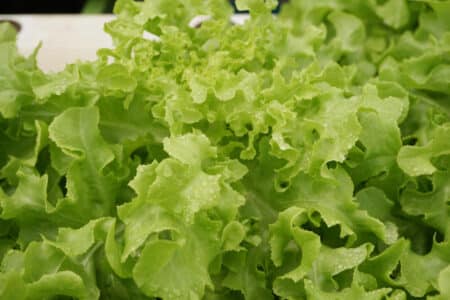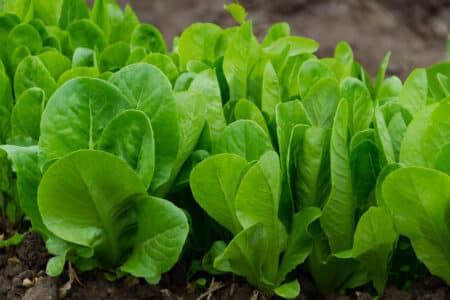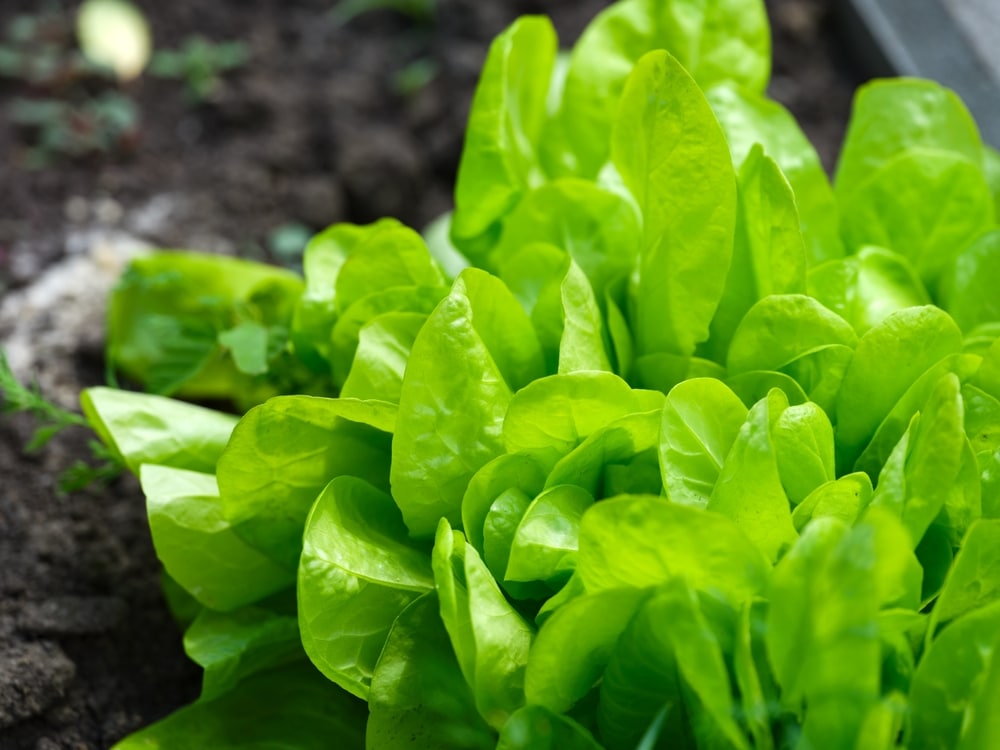
Lettuce is often planted in early spring and harvested in late spring or early summer. This leafy, annual plant is a favorite among novice and experienced gardeners.
Lettuce grows well in lots of different places with the right care and maintenance. Here are some tips for growing high-quality lettuce in your garden!
Why You Should Consider Growing Lettuce
There are lots of reasons that make lettuce a great plant to grow in your home garden. Aside from being low maintenance, you’ll also experience more health benefits by eating homegrown leafy greens instead of eating the ones from the grocery store.
Simple to Grow
Lettuce requires very little room in the garden to grow. It can also grow around other plants and vegetables. They also grow quickly.
Inexpensive
It’s better to buy lettuce from local farmers because it’s fresher; it can often take days to transport store-bought lettuce from a farmer’s garden to the grocery store.
Since the price of transit is not included in the price, you’re able to get higher quality lettuce at a lower price.
Even the cost of lettuce seeds is inexpensive. You can get several weeks’ worth of lettuce from a single seed packet, which can cost less than $2.
Best Time to Plant
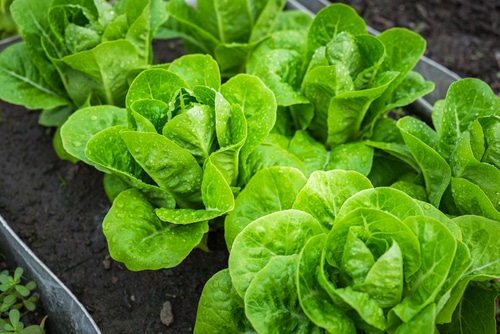
Lettuce grows best in cooler temperatures. The best time to plant your lettuce plant is as soon as the soil can be tilled and when temperatures are consistently between 40 – 85 degrees Fahrenheit.
You’ll enjoy more lettuce if you plant lettuce seeds back-to-back over 10 – 14 days.
Avoid planting lettuce for at least a month before warmer temperatures set in. Doing so will help to avoid summer blight. Plant fall lettuce in late summer or after the last freeze in early spring so that it can mature before the cooler fall temperatures arrive.
General Care
Planting your lettuce plant at the right time of year is only half the battle; you’ll also need to give it a little T-L-C to maximize its growth potential.
Grow lettuce plants in full sun and healthy soil with good drainage. Additional tips for caring for your plant are listed below.
Water Needs
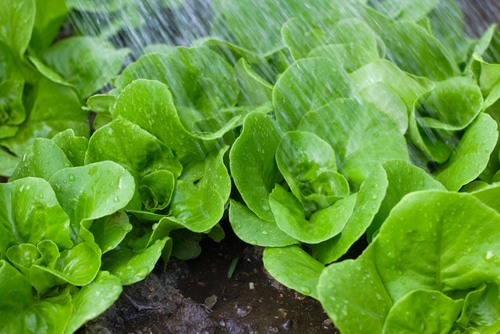
Maintaining the soil’s moisture level is crucial. Lack of water could make lettuce plants bolt and grow flower spikes. Insufficient moisture could also make the lettuce plant go to seed, subject the leaves to sunburn, or give them a bitter taste.
Strive to water lettuce several times throughout the week whenever the top inch of the soil feels dry.
Amount of Sun
Lettuce thrives in full sun, or at least 6 hours of direct sunshine on most days. It can also grow well in moderate shade and partial sun. But be careful – too much shade can stifle its growth.
Fertilization
The ideal growing conditions for lettuce include well-draining, cool soil. Compost and manure can enhance lettuce growth by improving the soil’s drainage and supplying the plant’s roots with vital nutrients.
Consider buying a soil test kit if you’ve experienced past issues with growing lettuce. If the soil’s ph level is below 6.0, it’s too low. Add lime to raise the soil’s pH to at least 6.0.
Other Maintenance
Basic care and maintenance can help ensure that your lettuce plant grows well. Also, consider pruning its mature leaves as well as those that are damaged or touching the ground.
Pruning will help prevent pest infestation or plant illness.