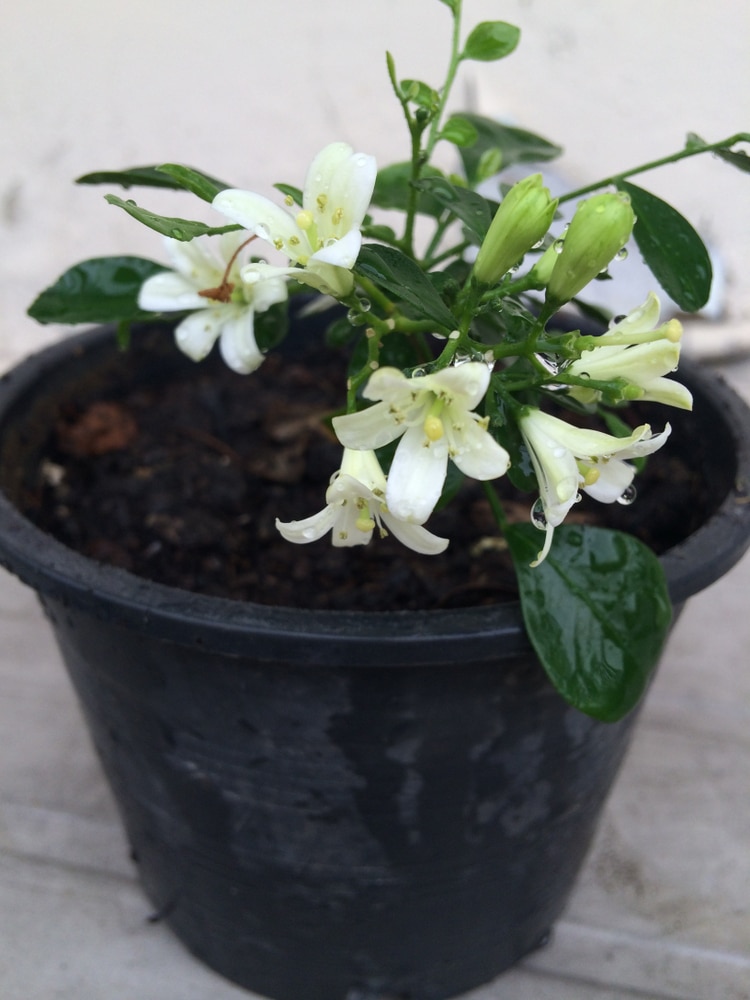
Houseplants are often praised for their ability to purify the air. But let’s face it – sometimes, the air in our home needs more than a mild cleansing.
Consider replacing your commercial air fresheners with the natural aromas from some of the houseplants listed below!
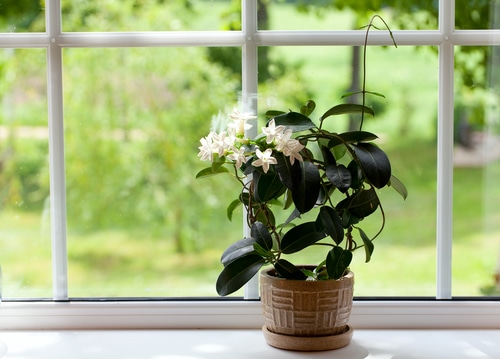
1. Stephanotis
Stephanotis plants have glossy, dark green leaves and delicate white flowers that resemble jasmine. In fact, its flowers are often called Madagascar jasmine flowers because of their intense aroma. Stephanotis flowers are approximately 2-inches wide and have a waxy coating.
This plant only requires sunshine and a modest amount of water to thrive. Ideal environments for stephanotis plants include a warm, humid conservatory, kitchen, or bathroom.
It may be necessary to provide supplemental support for the plant’s flowers to allow them to grow upright.
2. Scented Geraniums
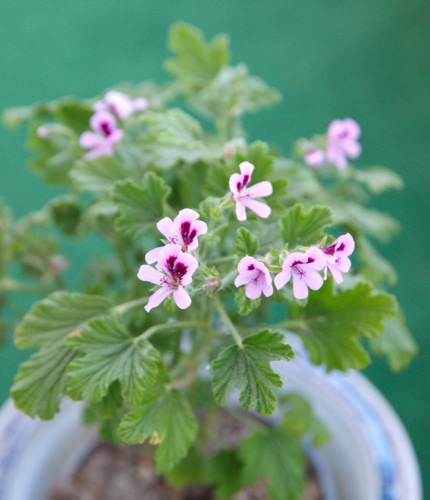
A geranium’s aroma originates from glands located at the base of its leaf hairs. The aroma intensifies when the plant’s leaves are crushed or touched. Most fragrant geraniums have flowers of varying sizes, but their flowers will have 2 larger top petals and 3 smaller bottom petals.
Geraniums are low-maintenance plants that don’t need a lot of watering or fertilizing. This plant prefers slightly acidic soil. In addition, potted geraniums should have the moisture in their soil checked often.
Although they tolerate light shade, full sun usually helps this plant produce its best blooms. For best results, place this plant near windows for maximum sun exposure.
3. Orange Jasmine
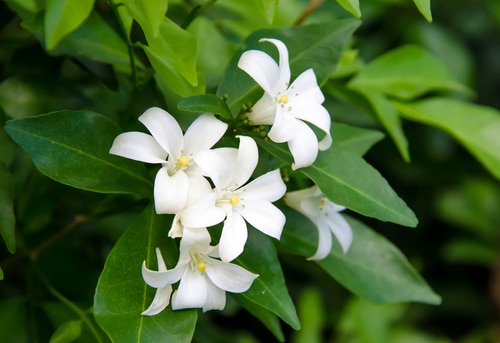
Orange jasmine is a wonderful houseplant that fills the air with a delicious scent when its flowers bloom in the spring. This plant then develops bright reddish-orange berries in the summer.
Place it where it will get partial sunshine or partial shade throughout the day. You can also place orange jasmine plants in a location where they will receive morning sunlight and afternoon shade.
Orange jasmine needs well-drained soil to thrive; ensure that the container it’s planted in has excellent drainage.
When young, orange jasmine grows quickly and may need frequent trimming to maintain its shape.
4. Gardenia
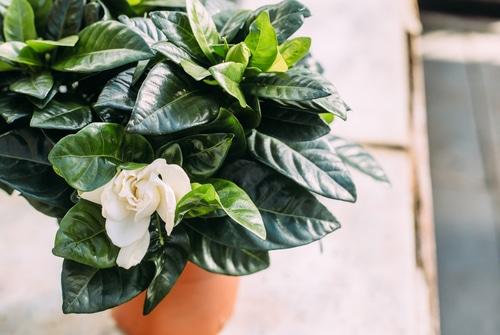
Gardenia is a tropical broadleaf evergreen shrub that is often grown as an indoor houseplant because of its fragrant white flowers. The flowers contrast well with the plant’s lustrous, leathery, dark-green foliage.
Place gardenias in areas where they can receive strong but indirect sunlight, particularly in the summer. The ideal location is near a window that receives afternoon shade.
Gardenias thrive in acidic soil. They only need around an inch of water each week.
5. Paperwhite
Paperwhite plants also grow well indoors. They have delicate, fragrant flowers that grow on 12 – 18-inch stems. Its flowers are commonly pure white, but they can vary in color from yellow to orange.
It’s easy to grow paperwhite plants indoors. This plant is unique in that it can thrive in soil or a small dish packed with stones.
Keep paperwhite bulbs in a cool, dark location for 4 – 6 weeks. When the shoots appear, relocate them to a cool, sunny spot.
For shorter, more durable stems, grow paperwhite bulbs in water containing 5% alcohol.
Paperwhite flowers have a long lifespan and can be cut and used in vases. Its flowers have an aroma that some may consider overpowering when they initially bloom. However, the potency only lasts for a day or two.
6. Citrus’ Tahitian Orange’
Growing citrus plants inside is not only easy, but doing so will also result in plants that produce a reviving scent when their flowers bloom. The Tahitian orange is one of those plants.
This plant was created by crossing a lemon with a tangerine, and its tiny white flowers produce a distinct sweet and sour aroma
Plant it in a lightweight or nonporous planter and place it near a window facing south or southwest. This will allow it to retain some of its moisture, which will provide the citrus plant with the additional humidity that it craves. Also, make sure the soil and planter drain well; you can add coarse wood chips to the planter to help with aeration.
7. Eucalyptus
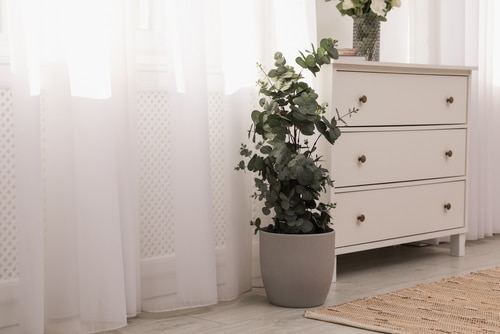
Eucalyptus leaves emit a distinctive menthol-like aroma when crushed. Its leaves range in color from silver to blue-green, and it can reach heights of more than 60 feet in the wild and 6 – 10 feet in residential settings.
Eucalyptus plants thrive in locations that receive at least 8 – 10 hours of direct sunlight each day. If you decide to plant a eucalyptus plant inside, make sure the potted plant is placed next to a window that allows it to receive an ample amount of sunshine.
Once established, eucalyptus plants are only mildly drought resistant. Water newly planted eucalyptus frequently to prevent leaves from wilting and falling off.
Your eucalyptus house plants might benefit from a few applications of liquid fertilizer every few weeks throughout the spring, but outdoor eucalyptus trees typically do not need fertilizer.