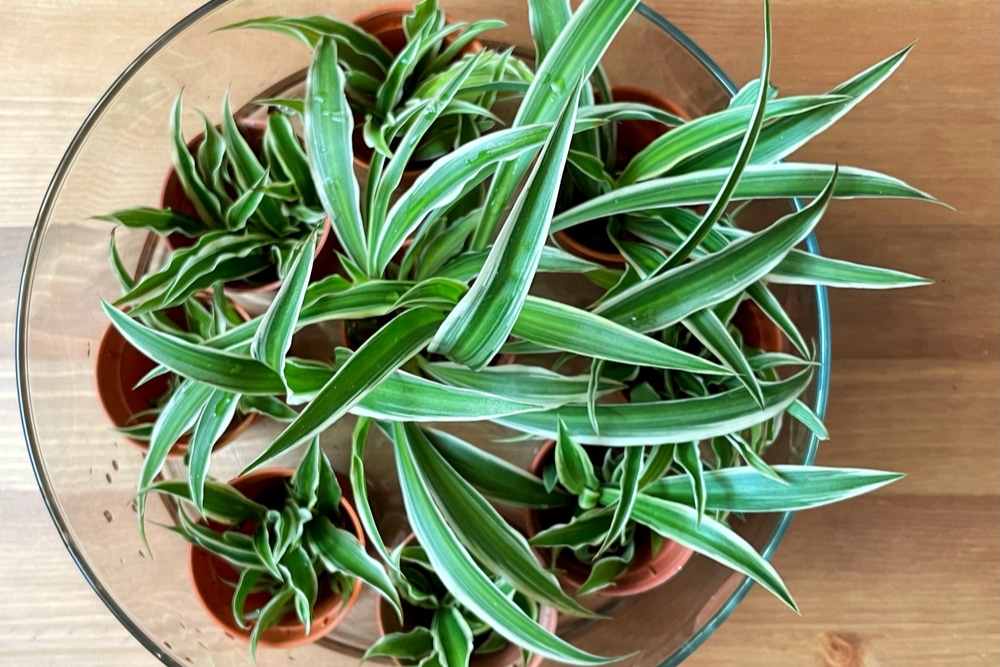
Houseplants and pets help alleviate stress, but owning both can sometimes cause problems. Cats are notoriously difficult to train, so you might have issues if your feline friend starts to chew on your houseplants.
Because cats can climb and reach even high spaces in your home, you need to be strategic with the placement of your plants. It’s reassuring to know that most cats aren’t interested in eating plants and that even deadly plants rarely cause serious harm. But you want your pet to be safe, of course.
It’s important to identify which houseplants are toxic and which are suitable for a cat-friendly household.
Cats enjoy Catnip, Valerian, Cat Thyme, Lemongrass, and other herbs, but there are many non-toxic houseplants that are beautiful, low-maintenance, and safe for cats.
1. Baby’s Tears
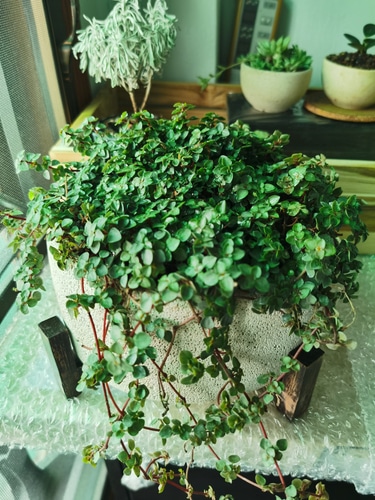
Baby’s tears features a thick, delicate bed of round or bean-shaped leaves on thin, fleshy stems. It reminds you of a thick, lush carpet.
This plant is low maintenance, pet-friendly, and easy to keep clean. It is great for beginning gardeners, although it does require some attention to look its best.
Baby’s tears thrives in low-light settings and is excellent in terrariums and mixed pots. Because of its tendency to spread, this plant can also be used as a ground cover.
2. Spider Plant
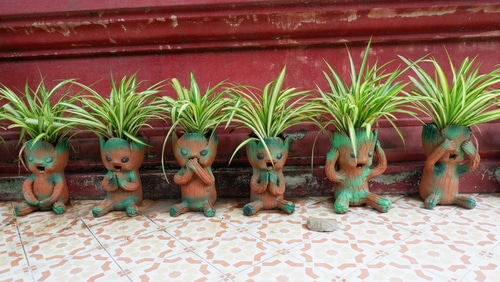
The spider plant is one of the most resilient houseplants available, and so it is easy to maintain. Also known as the ribbon plant or airplane plant, it is non-toxic to pets and can tolerate a wide range of light, moisture, and soil conditions.
As the days get warmer, spider plants will start producing flowers, which eventually turn into offspring, or spiderettes. These can be left on the plant, cut off and discarded, or planted.
3. Friendship Plant
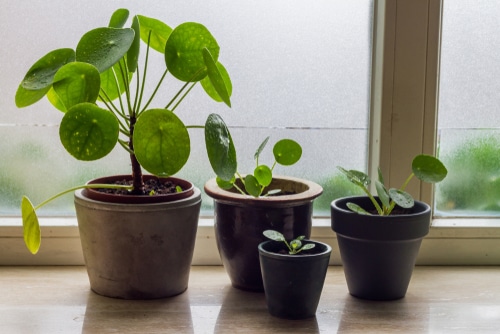
Friendship plants are popular houseplants that are easy to cultivate and propagate. The offshoots they produce are excellent for giving to or trading with friends.
This bushy, hanging plant thrives in enclosed terrariums, where they soak up diffused light when placed underneath companion plants.
Even if your pet takes a bite of the plant’s fuzzy, bristly leaves, it should be fine.
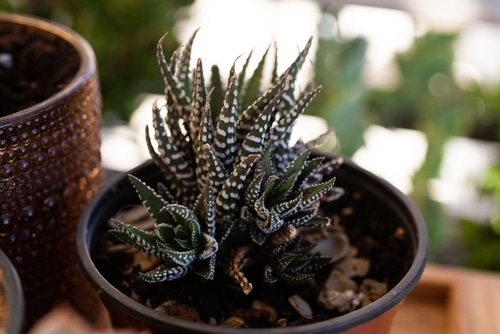
4. Haworthia
This small, low-growing plant produces clumps of lush green leaves with white pearly dots or stripes. Its distinct appearance adds a decorative element to any space, especially when grown in a unique planter.
Haworthia requires little care. Like most succulents, it is a slow-growing plant.
It is completely pet-safe, despite its resemblance to aloe, which is toxic to cats and dogs.
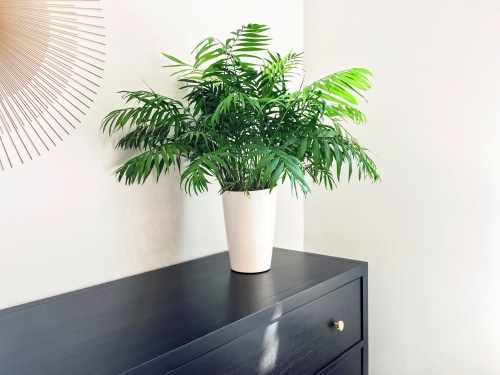
5. Parlor Palm
This palm is also known as the bamboo palm because of its magnificent bamboo-like branches. It is easy to care for and can adapt to a wide variety of indoor environments.
It thrives in indirect sunlight but can tolerate shade. With appropriate care, it can reach a height of 8 feet.
The plant’s basal blossoms turn into inedible fruit, which most cats ignore. Overall, it is a pet-safe, friendly plant.
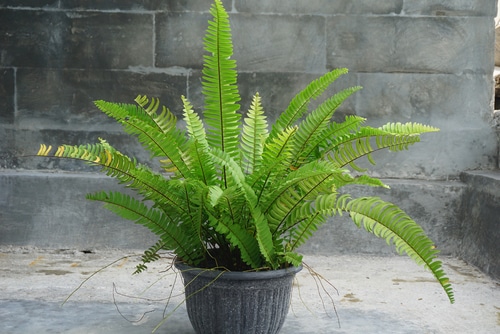
6. Boston Fern
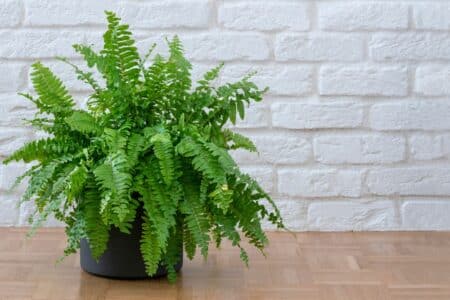
The Boston fern produces softly arching leaves, which makes it perfect for hanging pots. It requires little maintenance and grows quickly, especially during spring and summer.
Even if the fern looks like it is dying, with just a little care, it can be nursed back to health and sprout new leaves.
Like bird’s nest fern and staghorn fern, the Boston fern is safe for pets.
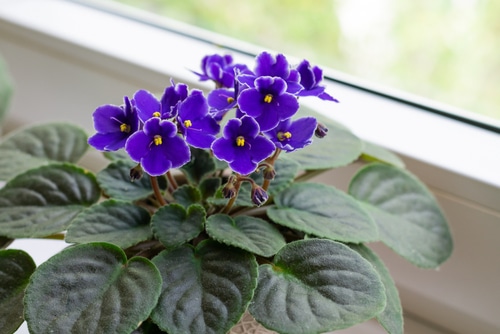
7. African Violet
African violets are one of the most common houseplants in the world, and with good reason. These low-growing plants bloom numerous times a year and come in a variety of leaf shapes and colors.
Don’t let their reputation deter you: African violets can thrive indoors with proper care. They prefer stable temperatures and indirect light.
While African violets are not toxic to cats, their fertilizer may be. Fertilizer consumption can cause mild discomfort, but unless consumed for an extended period of time, there will be no lasting effects.
8. Calathea
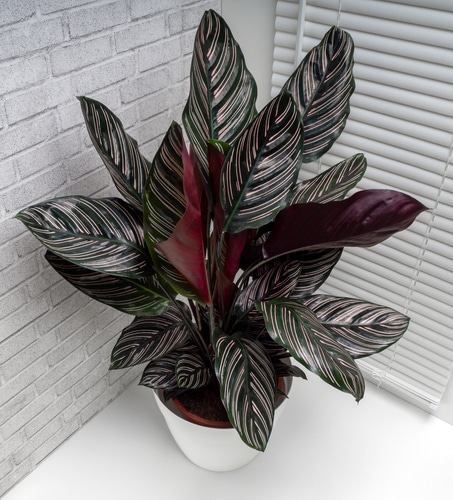
Calathea is also known as zebra plant, peacock plant, and rattlesnake plant due to its eye-catching stripes and veining.
Its leaves are both firm and beautiful. The gorgeous shapes are available in a variety of green tones, with the occasional hint of deep purple. Some types have variegated and flame-patterned leaves, while others simply have a contrasting color along the edges.
Calathea plants have everything pet owners are looking for: they are non-toxic to cats, purify the air, and have a unique charm.
9. Gloxinia
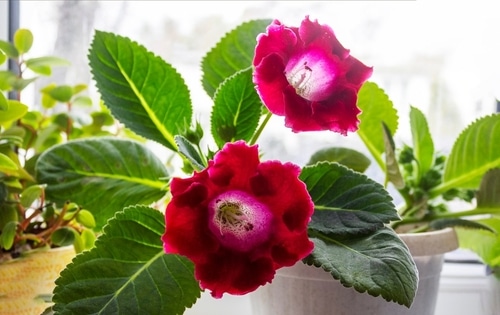
Gloxinia cultivars are developed to produce a large number of flowers fast. They resemble African violets. They thrive in indirect light and require a lot of water.
Gloxinias put on a beautiful display for about two months when they are in full bloom. Afterward, it can be a challenge to help them recover because so much energy went into producing flowers.
Otherwise, care for these plants is straightforward. Cats are unaffected should they consume this flowering plant.
10. Bromeliad
Bromeliad is a family of plants that comprises 2,877 different species.
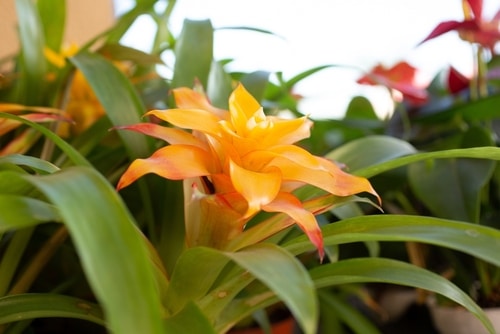
Bromeliads are long-living houseplants that grow slowly. They have unique foliage patterns and colors, and many have long-lasting flowers.
These plants are ideal for homeowners who want a low-maintenance plant that thrives in bright light and moisture. No part of the plant is toxic to cats.
11. Orchid
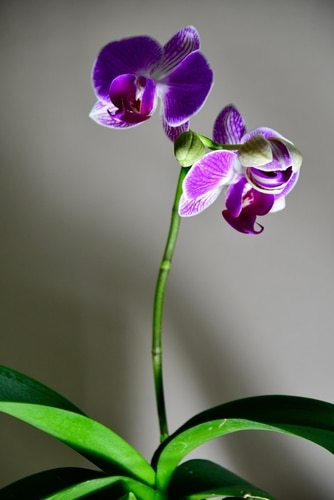
Indoor orchids are among the most popular houseplants available. They are easy to grow and care for, as long as they are provided proper growing conditions.
While orchids can be found all over the world, it is the tropical varieties that are typically cultivated as houseplants.
Orchids are not toxic to cats. However, you may want to keep your pet away from the plant to avoid damage to the orchid.