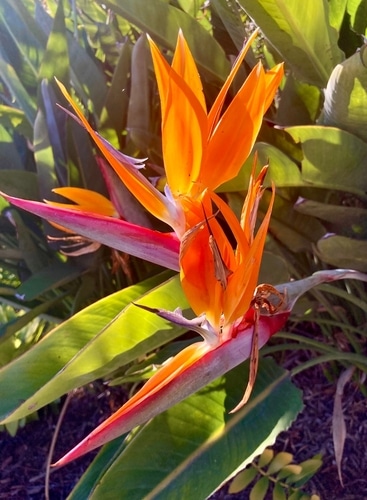
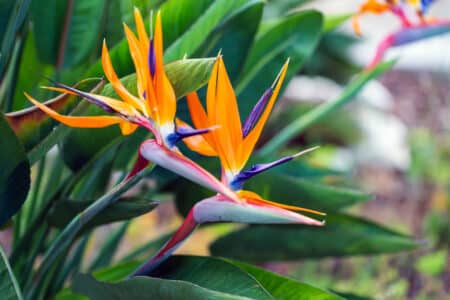
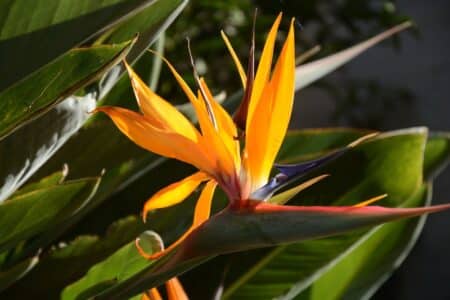
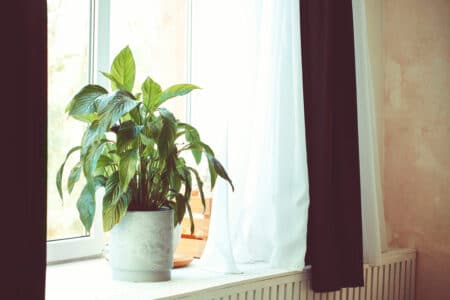
A bird of paradise needs direct sunlight, warmth, and frequent watering to grow correctly. Although this plant thrives in consistently moist soil, excessive moisture and waterlogging can cause detrimental damage to it.
Why Overwatering is Harmful
The bird of paradise plant does not appreciate dry soil but is also sensitive to the soil being too wet. If overwatered, the plant will develop crunchy, brown leaves. When optimal conditions are not met, the plant is most prone to root rot and insects that feed on it. Rot-causing fungi can take over a plant and inhibit its growth.

Signs and Symptoms
Soggy Potting Mix
Water fills the air pockets in the soil, causing it to become soggy without proper drainage. The roots can no longer get oxygen because there isn’t any air in the saturated spaces, so they drown.
Yellowing Leaves
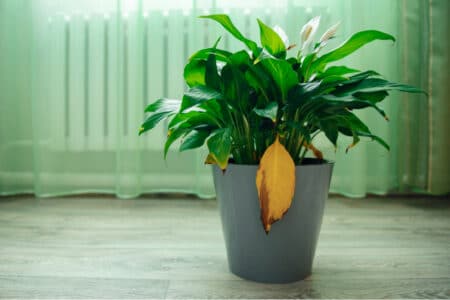
Yellow leaves are triggered by the roots that aren’t working as they should; this occurs when the plant’s growth is hampered by waterlogged soil. The roots decompose, stop functioning, and fail to deliver water and nutrients to the rest of the plant.
Browning Tips
In general, brown tips on leaves also suggest an issue with the root system. When determining your plant’s condition, remember that yellowing is sometimes the forerunner to browning.
Moldy Soil
Grey mold can grow on the soil, especially if indoor plants are watered and misted frequently. Due to overwatering, the plant starts to decay, providing an excellent environment for mold spores to grow.
Root Rot
The signs of a root disease often appear from the ground up. Check for discolored, wet, or soft roots if the plant appears sick, lifeless, or distressed. Even if soil conditions are restored, rot can spread to healthy roots and damage them.
How to Fix It
Unlike some other plants, bird of paradise are susceptible to being either too dry or too wet. What’s worse is that the signs and symptoms of overwatering and underwatering are nearly identical. For your plant to grow healthy, ensure it has access to all the nutrients and light it needs.
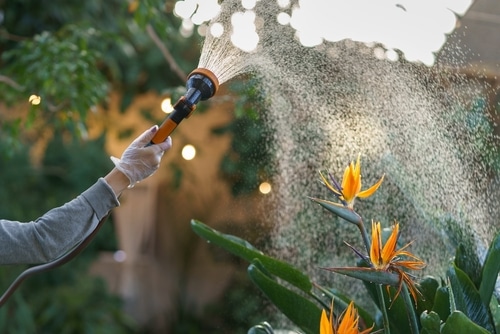
Bird of paradise are heavy drinkers, especially during the active growth season, which lasts from spring to late summer. It has to be watered frequently in the spring and summer to keep its massive leaves moist.
If your plant has been overwatered, stop watering it, let the soil dry out, and ensure the soil mix has good drainage. Move your bird of paradise to a well-lit and well-ventilated area to speed up soil drying.
Root rot can be managed in some cases. The first step for severely overwatered plants showing signs of root rot is removing damaged stems, leaves, or shoots. As a rule of thumb, you should remove as many leaves as lost roots.
You should also consider repotting the plant and applying a fungicide solution to the new mix. Fresh, moist, well-draining potting soil with organic material, perlite, and sand is ideal. If the damage from over- or underwatering is severe, you may be unable to save the plant.
Keep in mind that when your plant is about to enter its resting period, it requires less water than usual. You should only water it until you see the water draining from its drainage holes.