Many vegetable crops flourish in the fall when the gardener can benefit from lower temperatures and adequate moisture.
Fall gardening allows you to harvest vegetables even after the growing season has ended.
Many spring-planted crops bolt or produce seed in reaction to the long, hot summer days, rendering them unpalatable. They also easily fall victim to pest insects and diseases.
A number of vegetables are better suited to fall gardening because the weather conditions in autumn produce higher quality crops and flavor.
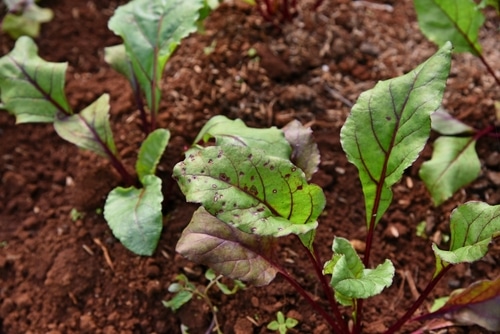
1. Beets
Beets require some to get started in the summer, but then the cooler soil temperatures in fall produce sweeter beets. They can endure light frost and grow until the first hard frost.
Once most other crops have begun to wither during the fall season, the beets will have less competition and thrive. As a result, the crop is more fruitful and tastes better.
2. Broccoli
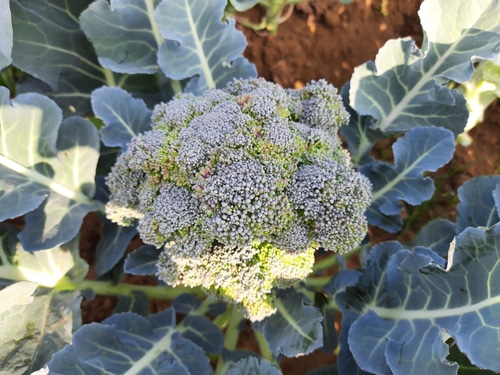
Broccoli seedlings cultivated in late summer or early fall are less sensitive to frost than those started in the spring. They can withstand a light frost as they grow but should be harvested before the first severe cold spell.
Because they take longer to mature, it’s best to start seeds early and transplant them in the middle of summer.
3. Radishes
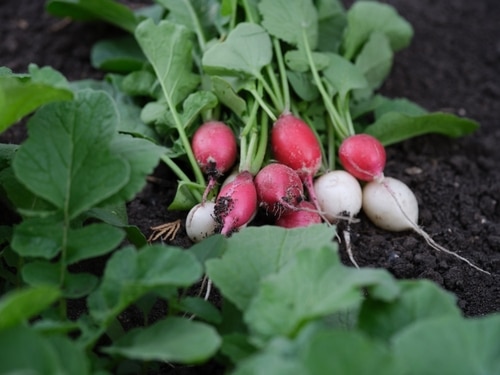
Radishes grown during the fall season acquire a better flavor. Most radishes are heat-sensitive and require soil temperatures below 75 degrees Fahrenheit to germinate well.
Select a fast-growing variety that matures before the winter. Planting time is usually 4 to 10 weeks before the first frost.
Radishes are typically ready five weeks after planting, depending on the variety.
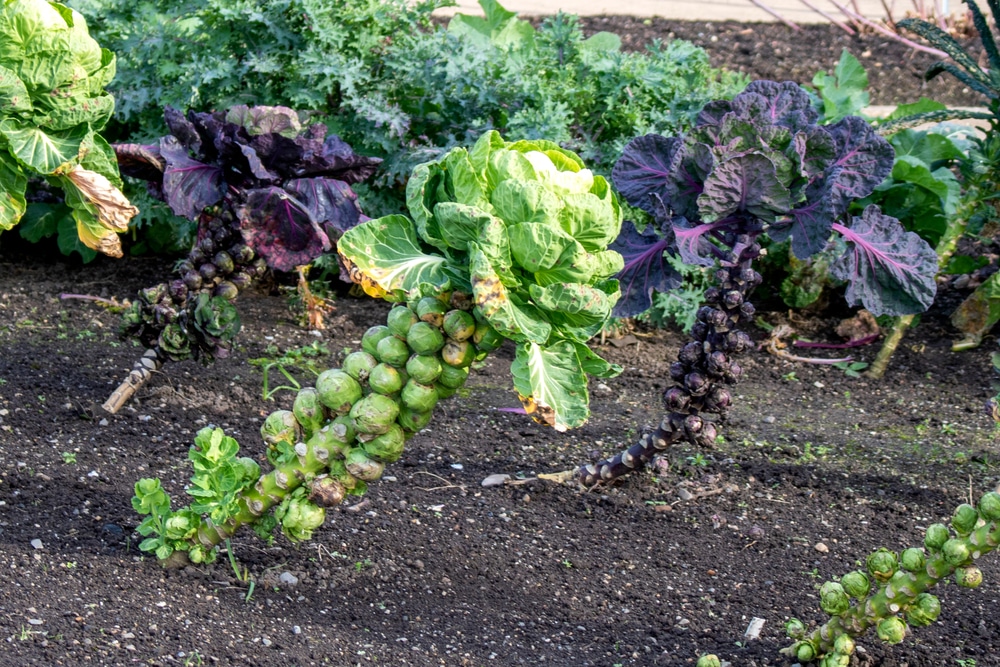
4. Brussels sprouts
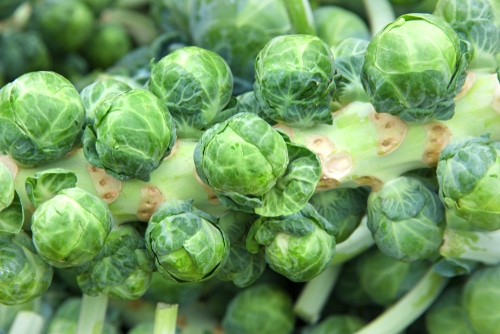
Brussels sprouts usually grow without problems until the early winter.
Brussels sprouts thrive in cold climates even though they are commonly grown as a spring crop that lasts throughout summer in mild climates. They can tolerate light frost.
Start seeds indoors and transplant when the weather cools.
5. Cabbage
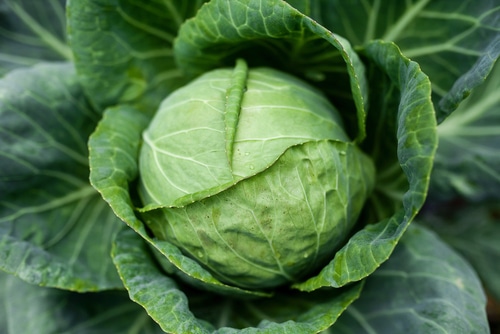
These crunchy garden heavyweights are a classic. They are brightly colored, are nutrient-dense, and grow quickly.
Cabbage grows best in the fall because the flavor of these cold-tolerant veggies improves after being exposed to moderate frosts.
Plant seedlings in the summer, 12 to 14 weeks before the first expected frost, and transplant them into the garden when the plants are 4 to 6 weeks old.
6. Carrots
Carrots grown in cooler soil are sweeter, with orange types being the sweetest. They can be stored in the refrigerator for up to three months so that a healthy harvest will last you through the winter.
Don’t pick your carrots too soon because this root vegetable becomes better after it has matured. Carrots thrive throughout the cool periods of early spring and late fall.
7. Cauliflower
Cauliflower grows well in the fall and produces dense, succulent heads. Most varieties are best planted in the middle of summer for a fall harvest.
Growing it can be a challenge for inexperienced gardeners because it requires consistent cool temperatures around 60°F.
Because they take longer to mature, start your fall crop early, around mid-summer. Plant a crop 6 to 8 weeks before the first frost date.

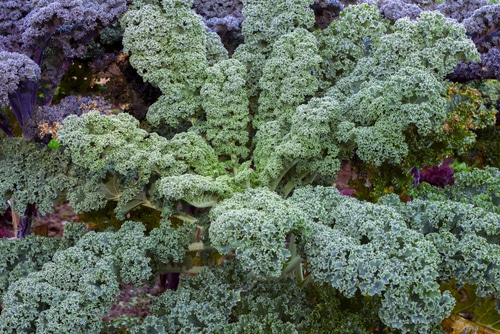
8. Kale
Kale grows well in cold regions and can be cultivated all year.
October is the best time to plant kale in areas with mild winters since the leaves become sweeter when grown in cool temperatures.
Sow kale seeds in the garden six weeks before the first frost. Direct sow in the early fall to get the most benefits throughout the winter and beyond.
9. Arugula
Arugula provides a spicy, peppery flavor to salads, pizzas, and other dishes. Although it is commonly associated with fall, it can be planted all year if sheltered from extreme cold or heat.
Temperatures sometimes become abnormally hot in the spring, causing the plant to bloom and seed prematurely. So, growing it in the fall may give you a bigger harvest.
Arugula grows quickly and prefers cooler weather. Lower temperatures promote the development and flavor of the leaves.

10. Beans
Beans of all varieties grow quickly and produce plentiful harvests even before the first frost.
Bush beans require 60 to 70 days to mature. As a result, they’re ideal for succession planting, which means planting at periodic intervals during the growing season.
During fall planting, bush beans are superior to pole beans. They produce more and mature more quickly.
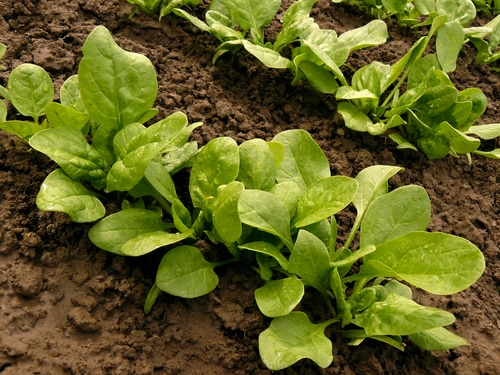
11. Spinach
Spinach is a widely produced and consumed vegetable. Summer heat causes it to bolt and seed, leaving it inedible.
Spinach is a cold-tolerant plant that can survive a light frost. Plant spinach 6-8 weeks before the expected first frost date.
When grown under cold temperatures, the leaves grow tastier and more tender.
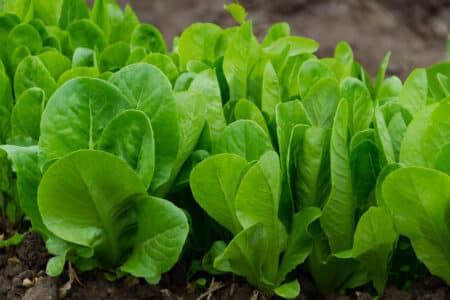
12. Lettuce
Loose-leaf lettuce is an easy and quick fall crop. Any variety can be grown but choose cultivars with the shortest seed-to-harvest period.
The seeds will germinate and grow at temperatures as low as 40 degrees Fahrenheit, but the ideal temperature for germination and growth is between 60 and 65 degrees Fahrenheit.
Plant in late summer to early October to enjoy a fall salad.