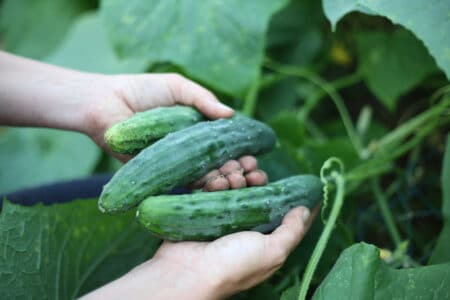
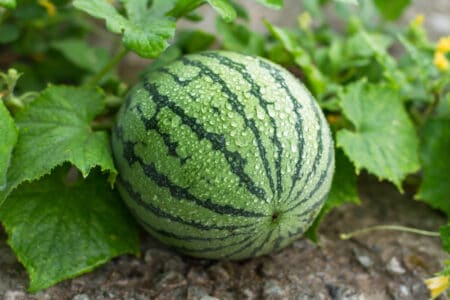
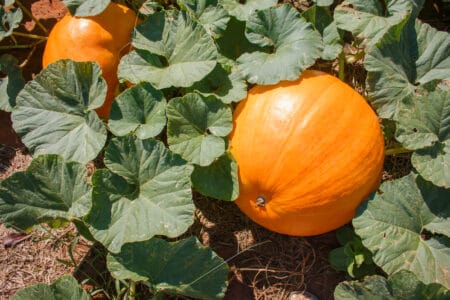
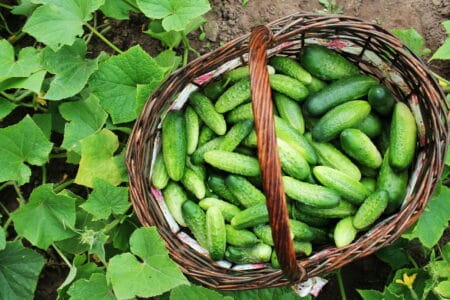
Squash is one of the most common vegetables to grow in the garden. There are different types of squash, and they come in a variety of shapes and colors as well. Summer squash is larger and bushier than vine species that require less garden space. Winter squash are distinguished by their hard shell, which makes them ideal for storing in the winter.
Growing squash can be challenging, so it’s a good idea to have a basic understanding of their lifecycle to maximize their growth in your garden.
Germination
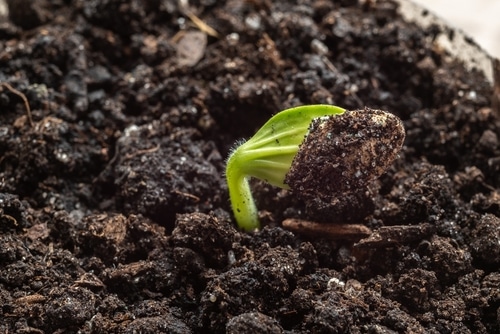
The first stage of squash development is seed germination. Its seeds are normally large, flat, and oval-shaped. For effective germination, soil temperatures should be 70 degrees or higher. Germination takes place 3 – 4 days later, and a stout, stubby sprout will emerge from the soil.
A few days after sprouting, the plant will develop small leaves that resemble those of a mature squash. If the seeds were planted in an indoor container, wait until the plant has at least one or two true leaves before transferring it to an outside garden.
Growth
As the squash matures, it will produce more leaves and vines. Once larger leaves begin growing, the plant’s vines will also begin climbing. You can either allow vines to grow as they will or install a trellis for them to grow around. This will give you a better view of the squash as they grow and will help prevent insect infestations.
Summer squash vines are shorter and more compact, growing to around 2 feet in length. Winter squash vines can grow up to 15 feet long and are notorious for spreading wildly as they grow.

Flowering and Pollination
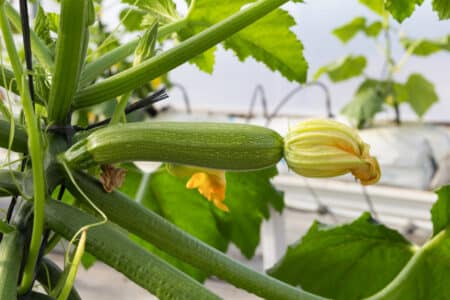
After 35 to 45 days, the squash will begin to produce flowers. These flowers help the squash pollinate with the help of bees and other flying insects that feed on the flower’s nectar. The flower will gradually dry up as the squash begins to grow.

Fruiting
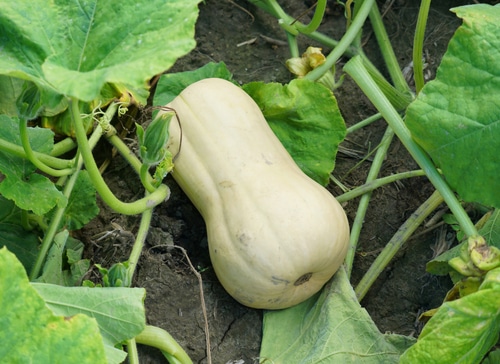
Most summer squashes require 50 – 65 days to ripen and generally will be ready to harvest 4 – 8 days later. Winter squash develops more slowly; they require 80 – 120 days to ripen. Squash is ready for harvest when the skin can no longer be easily penetrated by a fingernail.
Spreading Seeds
On average, a single squash contains 35 – 50 seeds. Depending on the type, gardeners can collect them from ripe squash and plant them the following season. Over-ripening squash is a strategy for obtaining high-quality seeds. The squash turns yellow at this stage and eventually dries up.