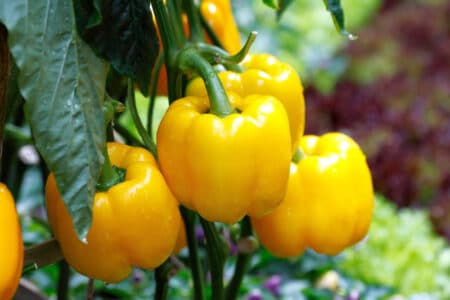
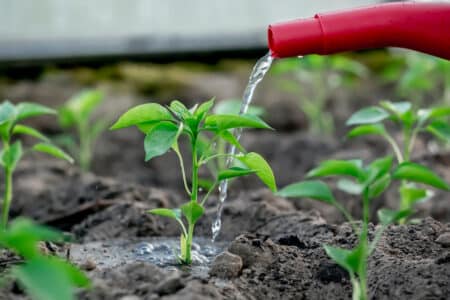
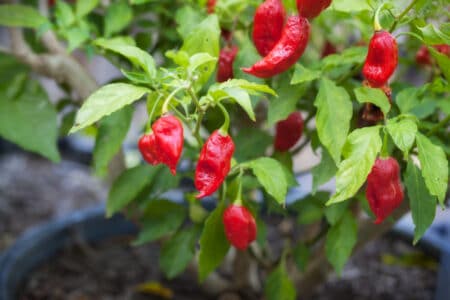
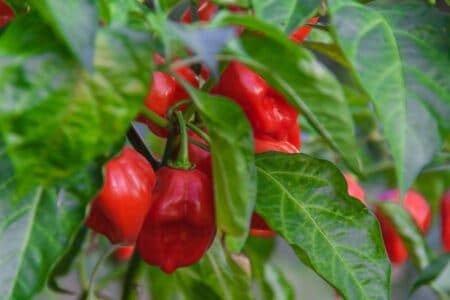
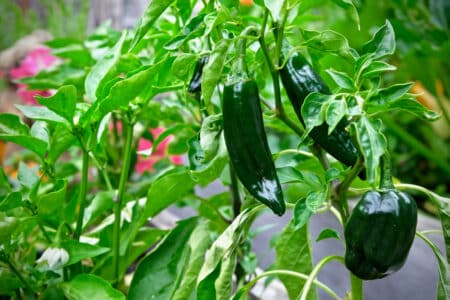
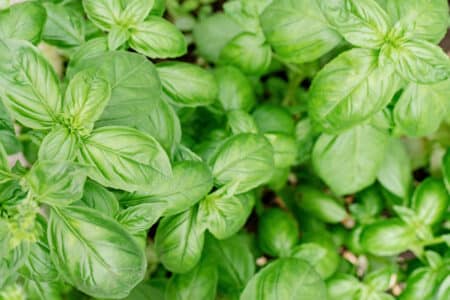
Plant species that provide mutual benefits to one another when planted in the same garden are known as companion plants.
Why Use Companion Plants?
In gardens, companion plants can serve multiple purposes; they can optimize the garden space by attracting insects that can help pollinate flowers and divert pests from infesting neighboring plants.
Companion planting is beneficial when growing pepper plants. Here are 7 plants that will result in faster-growing and robust pepper plants.
7 Companion Plants
1. Beets
Beets make good pepper companions. These plants are great for filling up unused garden space, restricting weed growth, and helping to keep the soil cool and moist. Beets will thrive wherever they’re planted in the garden.

2. Leeks
Growing leeks may not be as popular as growing garlic or onions, but they also make great companion plants for peppers. Like beets, they’re also good at filling empty spaces in the garden. Leeks also don’t need a lot of space to grow and can deter pesky insects like carrot flies.
3. Chard
Chard, when planted near pepper plants, can provide some shelter from the wind and shade. It also helps prevent weed growth. Chard is an easy vegetable to grow, and it also provides some color to garden beds.

4. Onions
Onions can make it more difficult for pests to find your pepper plants thanks to their pungent odor. Insects that use olfactory cues to zero in on pepper plants may have trouble doing so with onions planted nearby.
5. Dill
Dill attracts helpful insects to your garden while simultaneously warding off pests like aphids. Dill can also enhance the flavor of nearby veggies, including growing peppers.

6. Cowpeas
Cowpeas boost the amount of nitrogen in the soil. This, in turn, improves the number of pepper plants you can grow. During the growing season, the residue from this plant’s cover crop can be recycled and used as a mulch around pepper plants to help reduce weed growth.

7. Petunias
Petunias are excellent companions for pepper plants because they can help ward off pests like asparagus beetles, leafhoppers, tomato worms, and aphids. Petunias also add a splash of color to any garden.