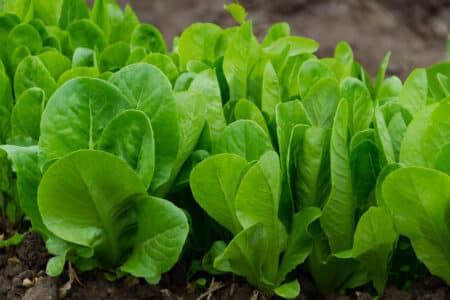
Kale is a trendy vegetable, prized for its ability to produce throughout the winter in USDA hardiness zones 7 to 10. Its beautiful, large leaves add structure and charm to any garden bed. Companion planting with this crop is efficient for warding off pests and increasing harvests.
Explore this list of companion plants to help improve your kale’s growth and development.
1. Onion
Onions, particularly spring onions and shallots, complement kale wonderfully. Butterflies, like the cabbage white, lay eggs on the leaves. The caterpillars can quickly consume an entire kale plant when the eggs hatch.
The onion leaves’ strong aroma distracts butterflies, flea beetles, and aphids from the kale’s scent. Other allium plants like garlic, chives, and leeks also mask the fragrance of kale.

2. Beets
Kale is a leafy green that grows above ground; therefore, it grows well with root crops. Combining beets and kale maximizes the growing space.
Beets are heavy feeders, but they still replenish the soil with a significant amount of nutrient-rich minerals, which support kale development. It is also beneficial to other cabbage family members.

3. Celery
Celery is a flavorful and low-calorie vegetable with high water content. Like kale, it requires full sun but must receive shade during the hottest parts of the day.
Celery is high in nutrients and has a strong scent that keeps various insects away from its companion crops. It improves the kale leaves’ flavor and makes them less vulnerable to potential attacks by harmful insects.
4. Cucumber
Cucumbers are an excellent groundcover. Their vine can spread and ramble under taller kale plants during the warm season, suppressing weeds and keeping the soil cool for summer kale crops.
Plant one cucumber for every two to four kale plants to give the vines plenty of room to spread. You may need to rearrange the vines regularly to prevent them from displacing your kale plants.

5. Lettuce
Because they don’t compete for nutrients, kale and lettuce make ideal companion plants. They can be planted together in the cooler months of spring or fall. Together, these two plants can improve soil health, pest control, and nutrient absorption.
The lettuce will help keep the soil moist for the kale, while the taller kale will shade the lettuce from the hot sun. Kale can also be cultivated to shade more delicate lettuce species in hotter areas.
6. Peas
Growing nitrogen-fixing peas with kale can boost the soil’s 6. concentration. Pick the climbing pole bean variety that grows on trellises so that your kale gets enough sun.
When given enough room to spread, peas have the added benefit of keeping butterflies away from kale. They baffle the insects, making it difficult for butterflies to locate potential egg-laying sites.

7. Peppers
Peppers complement kale because they do not compete for nitrogen. Furthermore, they emit a strong odor that keeps pests and other grazing animals away from kale crops or the garden.
Remember to give the pepper plants plenty of room to grow to their full height. It is also important to note that peppers can become perennials when cultivated in warm climates.