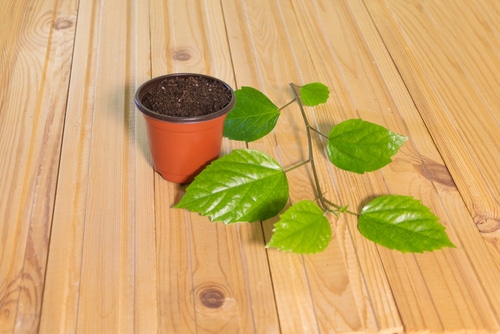
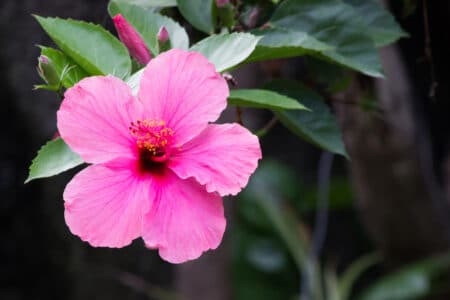
Hibiscus are commercially propagated via cuttings instead of growing new plants from seed, which is great news for gardeners. It doesn’t matter what type you’re growing—although hardy hibiscus is easier to propagate than tropical varieties—with the following knowledge, you’ll be increasing your collection in no time without spending a bunch of money on new plants!
How Does Propagation Work?
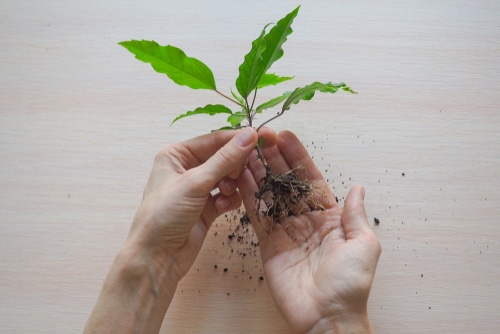
Propagation is a reasonably straightforward process where you take a part of a plant, and the plant’s internal hormones trigger the piece to regenerate itself. When a plant creates new cells, at first, they are a mass of undifferentiated tissue. The plant hormones then use this callus tissue to create shoots or roots, depending on what the plant needs.
This method is known as asexual reproduction, where the resulting new plant is an exact clone of the parent with matching DNA.
Step-by-Step Instructions for Propagating
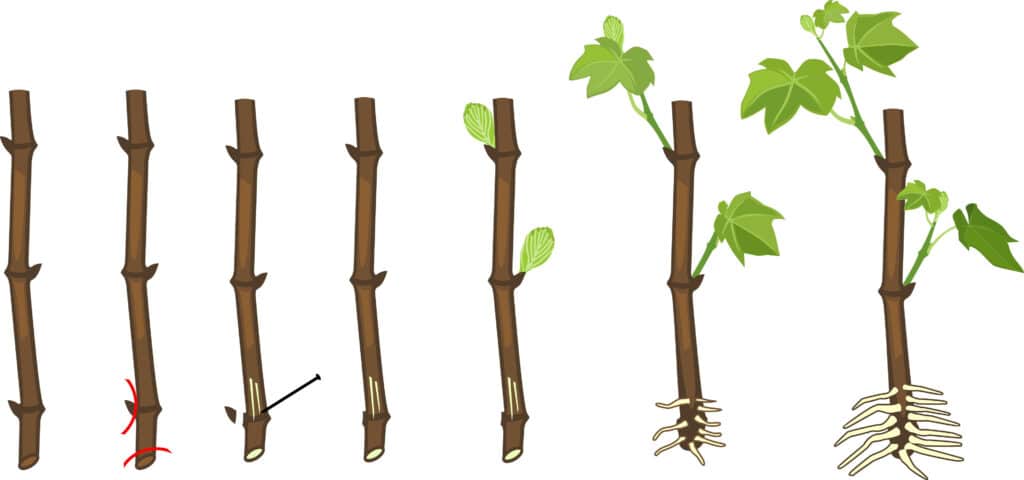
The science behind propagation gets technical when you start talking about plant hormones, cellular division, etc., yet the step-by-step process you follow is easy. It is essential to follow some basic instructions to help improve your success rate, but the general concept is to remove some stems from the plant and get them to grow new roots.
Always start with a hibiscus with a flower you like because the cuttings produce an identical copy of the original mother plant.
Taking Cuttings From the Parent Plant
The best material to use when propagating hibiscus cuttings is newer growth known as softwood. These are young, pliable branches that haven’t matured and often have a greenish tint to the bark. They’ll propagate the easiest and quickest because this type of wood is actively growing the fastest.
- Clean a pair of hand pruners or sharp scissors, ensuring they are free of gunk and grime. Once cleaned, you want to disinfect them with rubbing alcohol or a dilute bleach solution.
- Using your cutting tool, remove 4-6” long pieces from the end of a stem. The ideal cuttings have at least two or three nodes where leaves emerge from the branch and a handful of leaves.
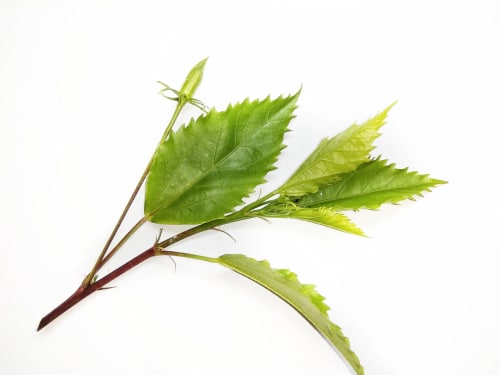
Once you take cuttings from the parent plant, you’ll want to move as quickly as possible through the following steps to keep them from drying out or wilting. If something comes up, forcing you to delay the rest of the project, you can put the cut ends of the stems into a jar of clean water until you can continue.
Preparing Hibiscus Cuttings
- Remove any unopened flower buds or blooms from the stem cuttings.
- Using your cutting tools, cut most leaves from each stem, leaving two or three at the top of the cutting. Taking most of the leaves off allows the cutting to direct as much energy as possible towards growing new roots instead of feeding a bunch of foliage. Some leaves are necessary to maintain photosynthesis.
- Make a 45-degree angled cut through the bottom leaf node or visible bump where the leaf petioles were growing. These spots contain more plant hormones and accelerate root growth; a diagonal cut increases the surface area where new roots can grow.
- Gently score the bark around the bottom end of the cutting to expose more cambium. You only want to scratch the outer layer, not damage the stem itself.
- Dip the newly cut end into a powder, liquid, or gel rooting hormone.
Planting the Cuttings
After you have prepped your cuttings, it is time to get them planted into containers with a couple of inches of premoistened growing medium. Gardeners often mix 50% potting soil and 50% perlite or use coconut coir when propagating. Both choices are lightweight and have excellent moisture retention but allow excess water to drain readily.
- Poke holes in the growing substrate using a dowel or pencil.
- Place the end of the cutting into the hole, burying some of the nodes on the stem.
- Backfill around the cutting to create good contact between the stem and growing medium, and help the cutting stand upright securely.
Using something to create the planting hole is better than sticking the stem cutting right into the potting mix. You risk damaging the cut end if you jab the cutting into the growing media without creating a hole.
Create a Propagation Greenhouse
A crucial part of propagating hibiscus plants is creating a dome or high humidity area around the cuttings or containers. Higher humidity levels mean the plants have more moisture available and have less risk of wilting—they will transpire less but keep their stomata open to increase photosynthesis and growth.
- Put a wooden dowel or stick slightly taller than the cutting in the middle of the container.
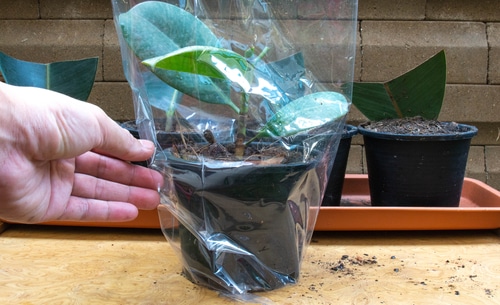
- Cover the whole pot with a clear zip-top or another plastic bag, resting it on the support. Try to keep the plastic bag from touching the foliage.
- Cut small vents into the top of the plastic bag or leave it slightly open at the bottom to allow for air circulation. This air movement will help minimize fungal growth and mold.
Caring for Your Cuttings
Now that you’ve planted your new hibiscus cuttings, you’ll want to set the containers in a spot that gets bright yet indirect sunlight. Water the growing media regularly to keep it slightly moist without being saturated or soggy. You can also periodically mist the cutting’s foliage to keep the leaves moist. Avoid giving your cuttings fertilizer.
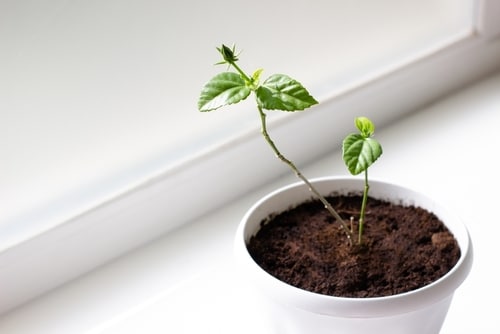
It takes about eight weeks for the cuttings to develop roots. Once the new roots are growing, you can remove the plastic bag from the plant and start caring for your hibiscus like you would other indoor plants.
When Should You Take Cuttings?
Most recommend propagating hibiscus plants in the late spring or early summer. The plants will have plenty of softwood or new growth at this time of the season and are growing very quickly. Once the stems mature and become woody, you can still take cuttings, but they’ll take longer to root.
Tips for Improving the Success Rate of Propagation
- Always follow the package directions when using a rooting hormone to avoid damaging the cells through over-application.
- Never dip your cutting directly into a bottle of rooting hormone. Always pour a small amount into a dish or cup and discard it once done. This prevents contaminating the entire container.
- Always take cuttings from healthy plants that aren’t suffering from nutrient deficiencies, insect problems, or recovering from a disease.
- Sterilize your scissors or pruners after each step to minimize contamination.
- Never take more than five or six cuttings from one plant, so the parent plant doesn’t become stressed and stops growing.
- When removing leaves from the stem cuttings, never pull them off. Always cut them. Pulling the leaves off can rip the stem.
- Avoid touching the cut end of the stems with your hands. Your skin contains oils (and sometimes lotions or perfumes) that can interfere with the rooting hormone or slow the propagation process.
- Keep cuttings out of harsh, direct sunlight when trying to root.
- Ensure the leaves do not touch the soil surface after planting your cuttings.
- Start several cuttings at the same time to increase the chances of success.