Also known as the sweetheart philodendron, the heartleaf philodendron is a staple houseplant in homes worldwide. This plant is known as one of the easiest houseplants to grow and even tolerates slight neglect. Sporting palm-sized heart-shaped leaves, the plant’s vines typically reach four to six feet long to create a beautiful display in your home.
Philodendron Plants
Philodendrons are known to be some of the easiest houseplants to grow. Some say it’s harder to kill them than keep them alive, which makes them popular with beginning gardeners or people who haven’t had good luck with plants in the past. They also grow well in low-light environments, so they thrive in homes without bright light, unlike many other plants.
Heartleafs are native to tropical forests in the West Indies, Mexico, and Brazil, where they grow in the forest understory and climb trees. This origin is how they handle low light and are easy to grow as houseplants.
Is the Heartleaf Philodendron Popular?
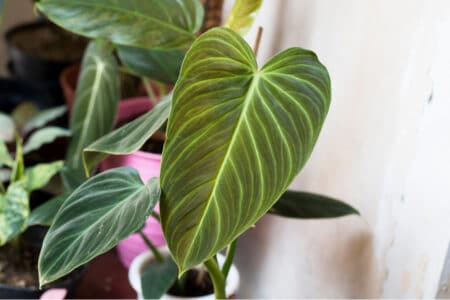
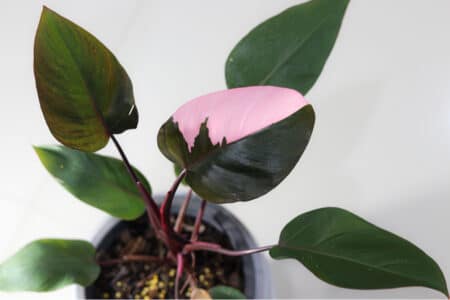
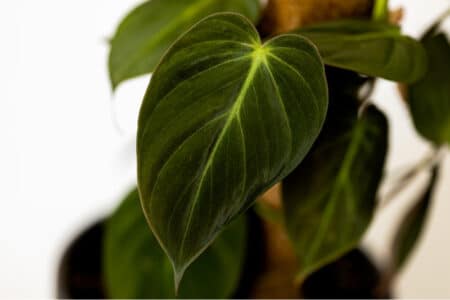
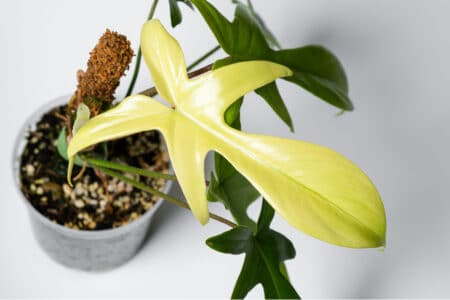
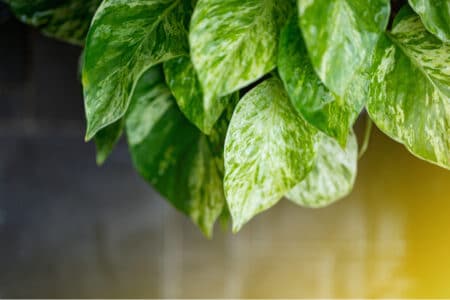
The heartleaf philodendron (Philodendron hederaceum or syn. Philodendron scandens) is widely available and likely the most popular philodendron grown worldwide. It comes in different varieties with slightly different leaf colors (from darker green to lighter shades) and varying degrees of leaf variegation. Plants range from dark green with no variegation to ones with yellow-green leaves and plenty of white.
Heartleaf Philodendron Care
Philodendrons originate in tropical locations, which means they are surprisingly well-adapted to be grown indoors as houseplants. The most critical aspects are making sure plants receive plenty of indirect sunlight and aren’t overwatered. When cared for properly, plants thrive indoors and look beautiful with big leaves and bold, bright leaf variegation (if they are variegated).

Light Requirements
These plants grow in lower light, but they do best in bright, indirect sunlight. When given good light, they develop long vines, big leaves, and short spaces between the stem nodes. Too much direct sun causes leaf scorch, but plants can tolerate a couple of hours. Too little light and the beautiful leaves will stay small, and the stems will get leggy.
If your home gets too much direct sunlight, you can hang a curtain to filter it slightly or set your plant behind something that creates shade. If your plant seems to be struggling—which is more common in the winter with less daylight—invest in a supplemental grow light or turn on your fluorescent lights to give it a boost.
Watering Needs
One of the main reasons the heartleaf philodendron is considered easy to grow is because it doesn’t need a lot of water. These plants prefer their soil a little dry, watering the plant well when the top one to two inches of potting soil is dry. Never let it sit in excess water; plants are incredibly susceptible to root rot from overwatering.
Ambient Temperature
Philodendrons prefer air temperatures between 65-79°F, which is aligned with the temperature inside most homes. They do not like temps below 60°F, so keep them away from drafty windows and exterior doors in the winter. Try to keep them away from register vents where they are exposed to heat in the winter and air conditioning in the summer.
Relative Humidity
They also love high humidity because of their tropical origin. Unfortunately, many homes are drier than they would like, especially during the colder winter months. To combat this dryness, you can create localized high humidity areas by running a humidifier by the plants or setting them in a pebble tray that has moisture in the bottom.

Fertilization
When your plant is actively growing, give it a dose of balanced liquid fertilizer or houseplant-specific fertilizer once a month. Follow the recommended label instructions for mixing, or dilute to half the label strength. There’s no need to give your plant any fertilizer during the cooler months when its growth slows.
Pest & Disease Concerns
Philodendrons can have problems with aphids, spider mites, fungus gnats, and mealybugs. If you discover an infestation, spray the entire plant with insecticidal soap, making sure to get the top and bottom of the foliage. The only common disease problem is root rot, but that isn’t treatable and can only be prevented by properly watering.
Propagation
Propagating philodendrons is almost fool-proof and really easy. Cuttings are known for rooting really well and really quickly in plain water or potting soil. Many people start with a single plant, and over time they remove leaves to propagate clones, filling their house with new starts that grow into beautiful mature plants.
Supplies
- Heartleaf philodendron
- Sterilized scissors
- Water
- Clean jar, mug, or drinking glass
- Pot with drainage holes
- Growing media such as potting mix, coconut coir, perlite, or sphagnum moss
Prepping Stem Cuttings
- Choose a cutting on the plant with a handful of healthy leaves and a couple of leaf nodes on the stem.
- Cut the stem cleanly just below a node using your scissors or pinch it off with your fingernails.

- Remove all but the top one of two leaves from the stem.
- Set the stem cutting on a clean surface for 24 hours so the cut stem callouses over.
Rooting Cuttings
Once the cut stem is calloused, you can put it in water to root, or you can plant the cutting directly into a growing media in a container. New roots will start growing from the stem nodes on the philodendron cutting within two or three weeks, and any existing aerial roots will grow longer.
Water Method
- Fill a container with fresh tap water, filtered water, or distilled water.
- Submerge the cut end of the stem and the nodes into the water.
- Set the jar in a spot where it gets bright, indirect light.
- Keep the nodes submerged and refresh the water every few days to prevent bacterial growth.
- When the newly formed roots are an inch or so long, plant the rooted cutting into a container filled with the growing media of your choice.

Growing Media Method
- Fill a container with premoistened growing media of your choice.
- Plant the stem of the cutting in the center of the container, making sure some of the nodes are buried.
- Place the container where it receives bright, indirect light.
- Keep the substrate damp but not waterlogged.
- After three or four weeks, gently tug on the plant. Resistance means the roots are growing.

Pruning
Regularly prune your plant to control its size and shape. Use sharp, sterilized scissors or pinch the stems with your fingernails back to a leaf node. Removing the active growing points at the ends of the vines encourages the plant to branch out and become bushy and fuller. Also, remove dead leaves or anything that appears unhealthy or diseased.

Philodendron Toxicity
One of the few drawbacks to growing a heartleaf philodendron is its toxicity. Ingestion of the leaves causes vomiting, diarrhea, drooling, and severe discomfort, including irritation and swelling of the lips, tongue, and throat. In large amounts, the leaves are toxic to dogs and cats. The plant’s sap also causes skin irritation to humans.
Keep your plant up out of the reach of young children and pets to prevent accidental ingestion.
Growing Tips
- Yellow leaves are a telltale sign of overwatering, which is more common than underwatering. Let the potting soil dry out partially before giving your plant water.
- A lack of humidity causes brown, dry edges on the leaf margins. You can’t reverse the damage, but increasing the humidity around your plants prevents further browning.
- Repot your plant into a bigger container every two or three years in spring or early summer to keep it from getting rootbound.
- Trim back aerial roots that aren’t used to climb up something if they get long and look untidy.
Design Ideas
- You can pot plants in a hanging basket, so the vines drape down or grow in a container with a trellis or moss pole, so it climbs upwards using its aerial roots.

- Black, white, and metal planters are considered neutrals and will go with any decor.
- Grow cuttings of different varieties in a single pot to create a unique display of colors and variegation.