Cilantro is an annual herb in the family Apiaceae and is typically used in Mexican and Southwestern dishes. The plant is also known as coriander or Chinese parsley. In cooking, coriander refers to the seeds, and cilantro refers to the leaves.
Here are some planting care and guidelines to help you grow your own cilantro crop successfully.
Why You Should Consider Growing It
In addition to its culinary uses, cilantro seeds or coriander are also used medicinally as a sleep and digestion aid. It is loaded with antioxidants. Many different types of dishes benefit from the peppery flavor that cilantro offers. When added to food, cilantro may reduce salt and sodium intake.
Cilantro is also an excellent companion plant when grown alongside many other crops due to its pest-deterrent nature and ability to attract beneficial insects.

When To Plant It
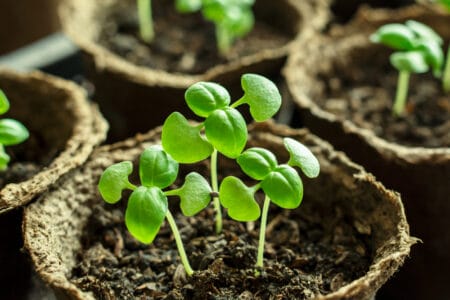
Cilantro (Coriandrum sativum) may be sown directly outdoors or started indoors to be transplanted later. In warmer climates, like Florida, cilantro is a fall and winter crop. Early spring is the best time to plant cilantro in areas with cold winters.
For a continuous supply of fresh cilantro leaves all summer, perform successive planting every 2 to 3 weeks. Cilantro grows quickly, producing its first leaves in 30 days or less.
Monitor the plants as the weather warms up. Cilantro has a short life cycle in warmer regions and quickly bolts, producing flowers that contain seeds when soil temps hit 75ºF and higher.
The seeds will be ready to harvest three months after sowing. After seed production, the plant’s life cycle is complete, and it will begin to decline. The goal is to encourage bushy foliage growth for an abundant harvest.

General Care
Water Needs
Mature plants require less water, but they prefer moist soil. However, the roots should not be saturated in water. Keep the soil evenly moist as seeds are sprouting and developing. For seedlings, 1 inch of water per week is sufficient.
Amount of Sun
Plant cilantro where it will get morning or late afternoon sun but will be shaded during the hottest part of the day. Cilantro grows best when it receives indirect sunlight and dislikes extreme heat. Cool, sunny weather is optimal for growing this crop.
Fertilization
Although they don’t need fertilizer, you can add compost or other organic matter to the soil to help them grow, especially when starting seeds. A water-soluble and balanced fertilizer is ideal for cilantro plants. Fertilize every other time you water them, or about once a week.

Other Maintenance
Aphids, whiteflies, wilt, and mildew can all cause problems for cilantro plants. Remove diseased plants as soon as possible and remove excess cilantro at the end of the season to avoid wilt and mildew. Use insecticidal soap to deal with the bugs.
Pruning is usually done as you harvest the cilantro leaves from your plant. If you detect a flower stem beginning to grow, you can cut it off. The procedure helps your plant focus its energy on leaf production instead of seeding.
Let the flower stem mature if you want to collect seeds. At the end of the season, you should be able to collect seeds for planting next year.