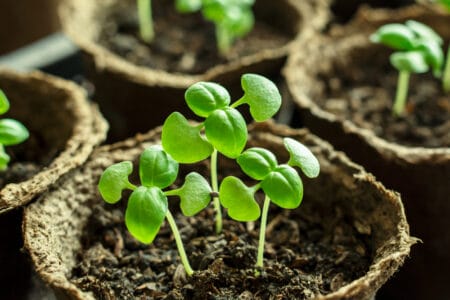
Sweet corn is a great crop to cultivate in home gardens. It is an easy-to-grow plant, provided you have enough space and know how to care for it. One way to make the process a breeze is to create a three-sisters garden, basically companion planting. The corn is one of three sisters, the other two being pole beans and squash.
Learn more about them and explore more companion plants for corn.
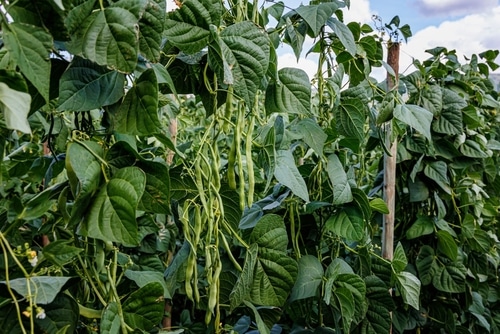
1. Pole Beans
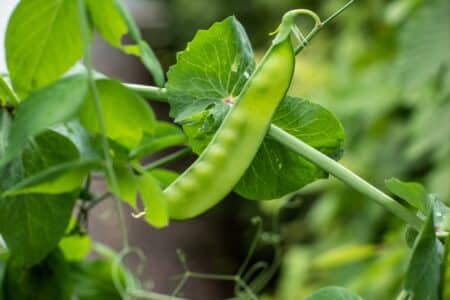
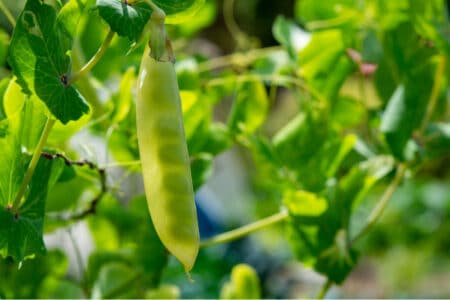
Pole beans are an excellent choice for planting with corn since they offer much-needed nitrogen to the soil. They climb the corn stalks and utilize them as a trellis, supporting the corn and keeping it from falling over as the ears mature.
Train the shoots to wrap around the stalks, but ensure you time it right to prevent the beans from outgrowing your corn. For this reason, it is recommended to sow the corn kernels first and wait until the corn is around 6 inches tall before sowing the beans and squash.
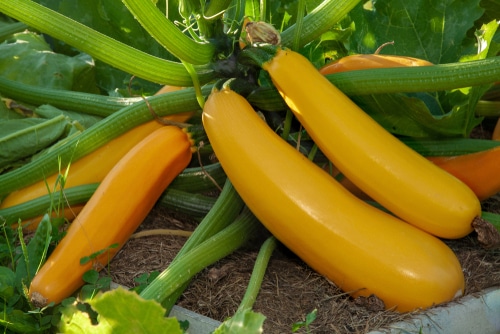
2. Squash
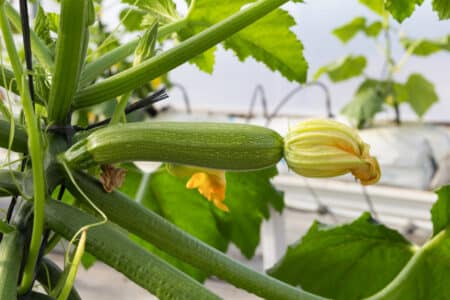
Squash vines are also great companion plants for corn. They have thorny vines that keep raccoons and other animals away. Vining plants cover the ground, providing shade and suppressing weed growth, helping keep the ground cool and moist, which is ideal for corn.
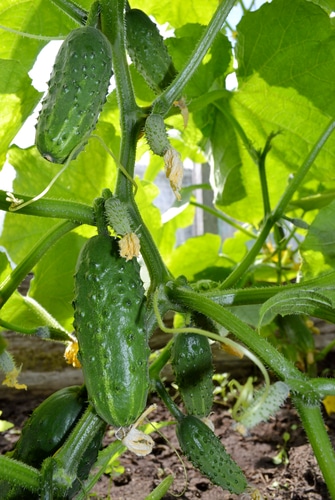
3. Cucumber
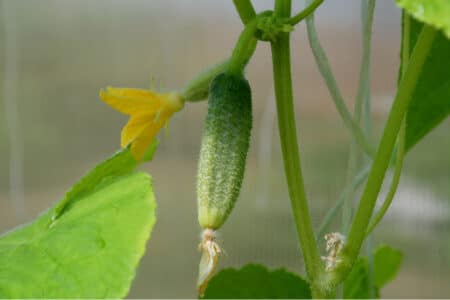
Cucumbers have shallow roots, so they do not compete with corn for space. Like other vining plants, the cucumber vines sprawl to the ground, keeping the soil moist by gently shading it. They could be used to replace squash in a three-sisters planting.
Cucumbers have a similar maturation period of around 50 to 70 days, after which they can be picked. As a result, the corn has enough space till it is harvested about a month later.
4. Dill
Dill is a flavorful herb with fragrant flowers that attract wasps. These tiny parasitic wasps eliminate many plant pests, including aphids, corn earworms, and cutworms.
Dill bolts in warm weather, so plant it early if you want it to bloom and produce flowers that attract beneficial insects for pollination. Wait until the corn is around four inches tall before planting your dill to avoid blocking sunlight.
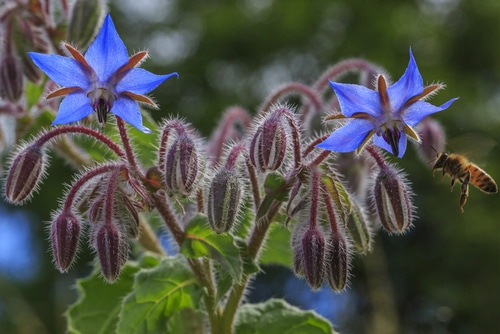
5. Borage
Borage is a flower that repels cabbage and tomato worms while attracting beneficial insects that feed on corn pests. It can be grown alongside tomatoes, cabbage, squash, beans, cucumbers, and strawberries.
Many gardeners also plant borage for its lovely blooms and ornamental features. It can also be used as a natural dye, and the seeds can be made into a medicinal oil.
6. White Clover
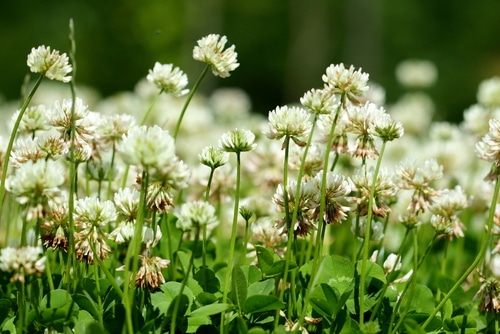
White clover is a wide-spreading plant that helps suppress weeds. Because it only grows to be four to six inches tall, it will not overtake your corn stalks. Decomposed clover leaves also contribute nutrients to the soil.
Like other legumes, white clover can fix nitrogen into the soil; therefore, this is a good companion crop for heavy-feeding corn.
7. Flowers
Many flowers make excellent companion plants for a variety of reasons. Aphids, a common corn pest, are repelled by marigolds. It makes sense to plant your marigolds close to the corn to keep these pests away.
Nasturtiums are used for the opposite reason. Aphids prefer nasturtiums over corn and will swarm them rather than your stalks, silks, and kernels. Many gardeners cultivate nasturtiums adjacent to their vegetable gardens, but not too close, to keep pests away from their desirable crops.